
Quick Article Directory
How to Source USB-C Cables for Laptop Charging and Data
Direct Answer
Laptop cables should be sourced as a system requirement: power level, data speed, video capability, length, and durability may all differ even when both ends look like USB-C. The buyer should turn that requirement into a controlled product brief before asking for a final quotation. The brief needs the target market, intended user, required model or configuration, supporting documents, acceptable alternatives, packaging plan, order quantity, and release criteria.
The most reliable sourcing decision is not based on a supplier catalog alone. It links the approved sample to the final order, factory testing, shipment inspection, and product listing. This gives the buyer a clear way to compare suppliers and to explain the product accurately to customers.
Why This Topic Matters for B2B Buyers
For consumer-electronics imports, commercial risk often hides in small details. A supplier may show a similar item while using a different connector, internal component, label, cell, firmware, or packaging configuration. The result can be a product that looks acceptable at first but creates returns, compliance questions, or freight delays later.
The buyer's job is to convert a market need into measurable customer requirements. This means documenting laptop charging wattage, e-marker need, USB data generation, DisplayPort Alt Mode requirement, Thunderbolt compatibility where specified, cable length, jacket material, and target laptop models. The document should be agreed before mass production, not reconstructed from chat messages after a problem appears. It can be simple, but it must be specific enough for the factory, inspector, and importer to use.
Define the Product and Commercial Scope
Start by identifying the end user and the sales channel. A marketplace listing, distributor catalog, retail bundle, corporate gift, and travel-focused accessory can require different specifications and packaging. Define what the user needs the item to do, which related devices or accessories will be used with it, and which claims must be supported.
Then separate required features from preferred features. Required features are the conditions that determine whether the order can be accepted. Preferred features can be compared when suppliers present different options. This distinction helps prevent unnecessary revisions and makes supplier quotations easier to compare fairly.
Build a Testable Requirement Sheet
For every important claim, add a test condition and a pass criterion. A statement such as "high performance" does not guide a factory test. A statement such as "maintains the agreed output under the stated load using the approved cable and device" gives the buyer a starting point for sample review. For visual requirements, attach photographs, color references, or a retained sample.
Keep the final sheet with the quotation and purchase order. When the supplier proposes a substitution, review the change against the sheet rather than accepting a broadly similar product. Controlled changes are normal in sourcing; undocumented changes are where avoidable risk begins.
Sample Review and Factory Testing
Sample review should check charging behavior with representative laptops, data transfer, external display operation where claimed, connector insertion, bend cycles, continuity, and visual packaging checks. Test with representative products and conditions rather than only demonstrating that an item powers on or fits a single device. Record the test equipment, device model, cable or adapter where relevant, test duration, and observed result. This creates evidence that can be compared across suppliers.
Factory testing should follow the same core questions as sample testing. Ask the supplier which checks are performed during production and which records can be retained. A buyer may also request a pre-shipment inspection. The aim is not to duplicate every factory step; it is to independently verify the configuration that will be shipped.
Use a Golden Sample and Controlled Change Process
When samples pass, label the approved item clearly and retain matching records on both sides. The golden sample should be associated with the model number, accessories, version, color, packaging, and test results. For an item with firmware, cell packs, or multiple plug versions, state the applicable version in writing.
Any change to a critical component, packaging message, approved claim, or supplied accessory should require review before production continues. This is especially important for private-label products because the buyer is responsible for the marketed configuration even when the factory manufactures it.

Documentation, Compliance, and Labeling
Documentation should be assessed for the specific product and destination market. Start by matching the product identity on the sample, label, report, and quotation. Then confirm whether the report scope, standard, issuing body, and date support the intended claim. A document is not useful simply because it contains a familiar logo or a similar product name.
Labels and packaging need the same care. Verify model identity, technical rating where applicable, warnings, importer or responsible-party details where required, language, barcode, and included accessories. Never print a performance or certification claim until it is supported by the final product configuration and the buyer has the right to use it.
For a current official reference, review the relevant source. It is a starting point for planning, not a substitute for market-specific legal or laboratory advice. Assuming every USB-C cable carries the same data or video capability, choosing a cable only by wattage, and describing an untested cable as universal.
Quality Control Before Shipment Release
Pre-shipment control should include quantity, product identity, appearance, critical function, accessories, labels, packaging, barcode, cartons, and shipping marks. The checklist should distinguish critical issues from major and minor issues. Critical safety or identity failures should not be balanced against acceptable cosmetic sampling results.
Arrange inspection when enough goods are complete to make the result meaningful and before the commercial release point. Ensure that packaging and cartons are available because many market errors appear in printed material rather than the product itself. When an issue is found, document the lot, quantity, photographs, correction method, and recheck requirement.
RFQ and Supplier Questions
A strong RFQ describes the market, application, required configuration, documentation expectation, packaging need, estimated quantity, and target delivery time. Ask suppliers to identify their base model, any custom components, sample lead time, production lead time, MOQ, carton data, and the evidence available for the requested claims.
Ask direct questions about factory testing, shipment inspection support, change notification, and after-sales handling. A supplier that understands the product may ask focused questions in return. This is often more useful than receiving a quick but generic quotation.
Related ByteAero guidance is available in this buying guide. Use the article to refine your specification before requesting samples or a production quotation.
Common Buyer Mistakes
Common mistakes include comparing different configurations as if they were the same product, approving packaging before the final specification, accepting unsupported marketing language, and treating the sample as proof of uncontrolled mass production. Another frequent issue is waiting until freight booking to review documents, labels, or battery-related information.
Avoid these problems by setting the sequence early: define the requirement, compare suppliers, test samples, approve the golden sample and artwork, confirm production controls, inspect final goods, then release shipment. This is slower only at the beginning. In practice, it reduces rework and makes repeat orders faster.
Practical Procurement Workflow
A controlled sourcing workflow starts with a short decision brief. Record the destination market, customer application, target price range, required product configuration, packaging approach, estimated order quantity, and non-negotiable evidence. Assign one person to consolidate comments so that the supplier receives a single approved requirement set instead of several conflicting messages.
The second stage is supplier comparison. Request the same information from every shortlisted supplier: product specification, available variants, sample timing, MOQ, production timing, packaging configuration, carton data, test evidence, and change-control process. Compare the answers in a matrix. When a supplier uses a different base model, mark it as a different configuration rather than assuming the items are comparable.
The third stage is sample verification. Test representative use conditions, not only a quick demonstration. Record the item tested, equipment or device used, duration, result, and any unresolved question. For customized orders, approve physical color, logo placement, instructions, packaging, and included accessories alongside the product. These approvals together form the golden-sample record.
The fourth stage is production readiness. Before mass production, confirm the purchase order, final artwork, component or version control where relevant, inspection timing, and freight readiness. If an approved aspect must change, ask the supplier to identify the change, explain why it is needed, and provide a new sample or evidence before release. A clear change record protects both sides when repeat orders are placed months later.
The final stage is shipment release and post-order review. Check the inspection result, corrected issues, final quantity, carton marks, documents, and booking details before authorizing the balance or cargo handover. After delivery, retain feedback from customers and distributors. Field feedback about fit, heat, packaging damage, or compatibility should inform the next specification revision, not remain as an isolated customer-service note.
Supplier Communication That Reduces Rework
Good supplier communication is specific, dated, and attached to the relevant sample or artwork. Use model numbers and photographs instead of phrases such as "same as before." When asking a question, describe the observed condition, the required outcome, and the deadline for confirmation. This makes it easier for the supplier's engineering, quality, and packaging teams to respond accurately.
For a private-label program, agree who owns each approval: product specification, artwork, test evidence, compliance review, package copy, inspection release, and shipping documents. The supplier can support these activities, but the importer should understand which claims and obligations belong to the brand or market operator. This prevents a last-minute gap between factory readiness and market readiness.
Evidence to Retain for Repeat Orders
Keep a concise digital folder for every approved model. It should contain the requirement sheet, approved quotation, sample photographs, test record, product and packaging artwork, reports or declarations, inspection checklist, carton data, and change history. Label files with the model and approval date. This is practical operational evidence, not paperwork for its own sake.
The folder shortens repeat-order lead time because the buyer does not need to reconstruct earlier decisions. It also helps when the destination market, retailer, or freight forwarder asks a question after the goods have left the factory. Consistent records make it easier to identify whether a concern is related to the product, documentation, packaging, transport, or customer expectations.
Pre-Order Decision Checklist
Before confirming a bulk order, the buyer should be able to answer these questions in writing. Is the exact product model and version identified? Does the sample match the intended customer application? Are all key claims tied to a defined test condition or supporting document? Are the packaging, accessories, labels, warnings, and barcode aligned with the approved product configuration? Has the destination-market responsibility been assigned clearly between supplier, importer, distributor, and any authorised representative?
The commercial check is equally important. Confirm minimum order quantity, price basis, tooling or artwork charges, sample approval date, production lead time, payment milestone, inspection timing, carton dimensions, shipping terms, and the point at which the buyer may release cargo. A quotation that does not state these assumptions can create apparent savings that disappear once packaging, compliance, inspection, or freight are added.
Finally, review the launch risk. Identify the most likely customer complaint, the most likely freight or documentation delay, and the most likely production variation. Then ensure the product brief, test plan, golden sample, and inspection checklist each contain a control for that issue. This short exercise makes the sourcing decision more resilient and gives the supplier a clearer standard to meet.
FAQ
Is a supplier test report enough for bulk approval?
No. Use it as supporting evidence, but compare it with the approved specification, model identity, final label, packaging, and production sample. Buyer-side sampling or inspection remains valuable before shipment release.
When should compliance documents be requested?
Request them before confirming artwork or a bulk order. This gives the buyer time to review product-to-report matching and correct claims, labels, or market assumptions before production is advanced.
What information should be kept for a repeat order?
Keep the approved product brief, sample photos, test record, supplier quotation, artwork, packaging proof, inspection checklist, reports, and any approved change record. These materials become the reference for the next order.
Image Planning and CTA
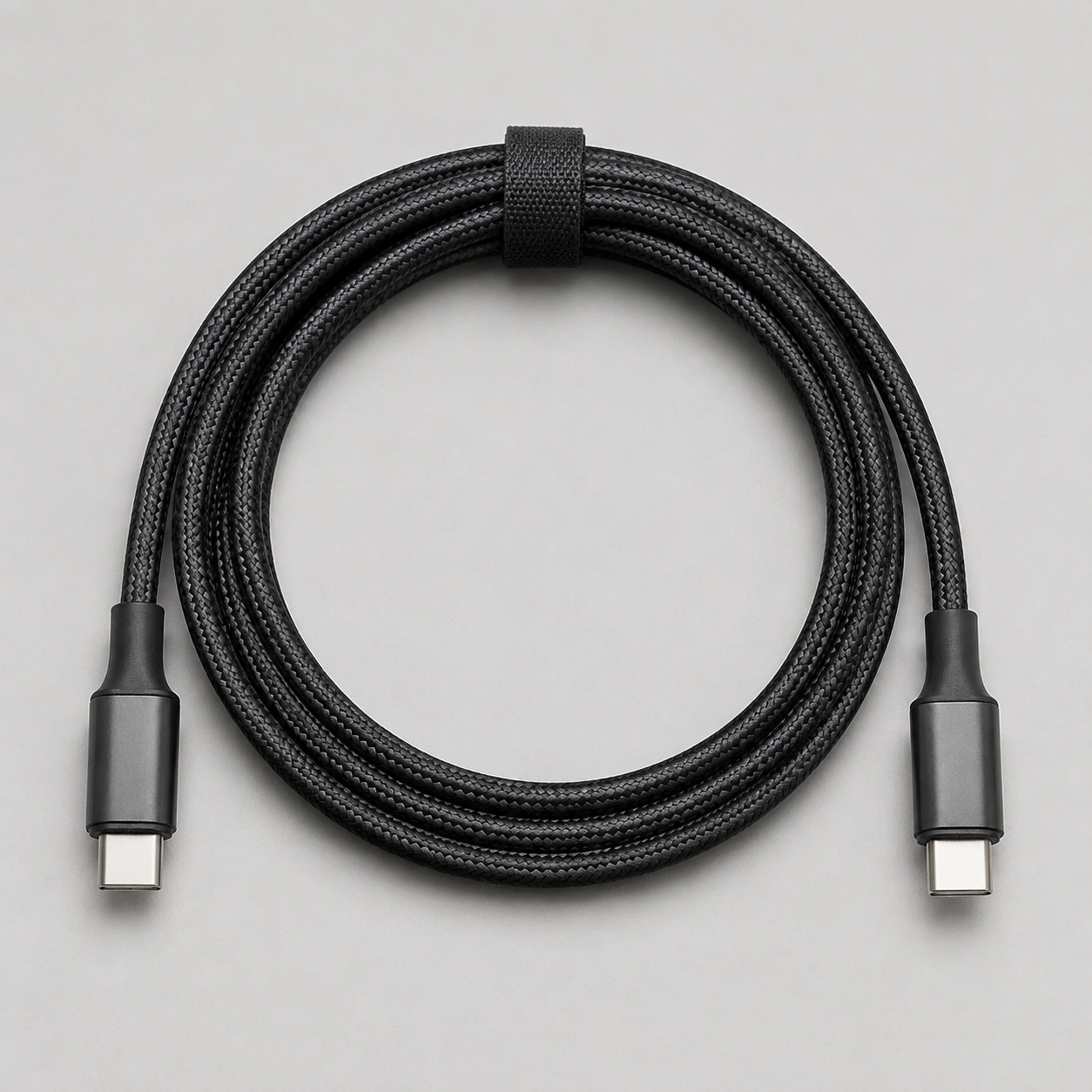
Image 1 purpose: Product detail review. Insert after the sample-review section. Caption: "Product features should be reviewed against the approved sourcing brief." ALT text: "Product detail for USB-C laptop charging and data cable sourcing sourcing review."
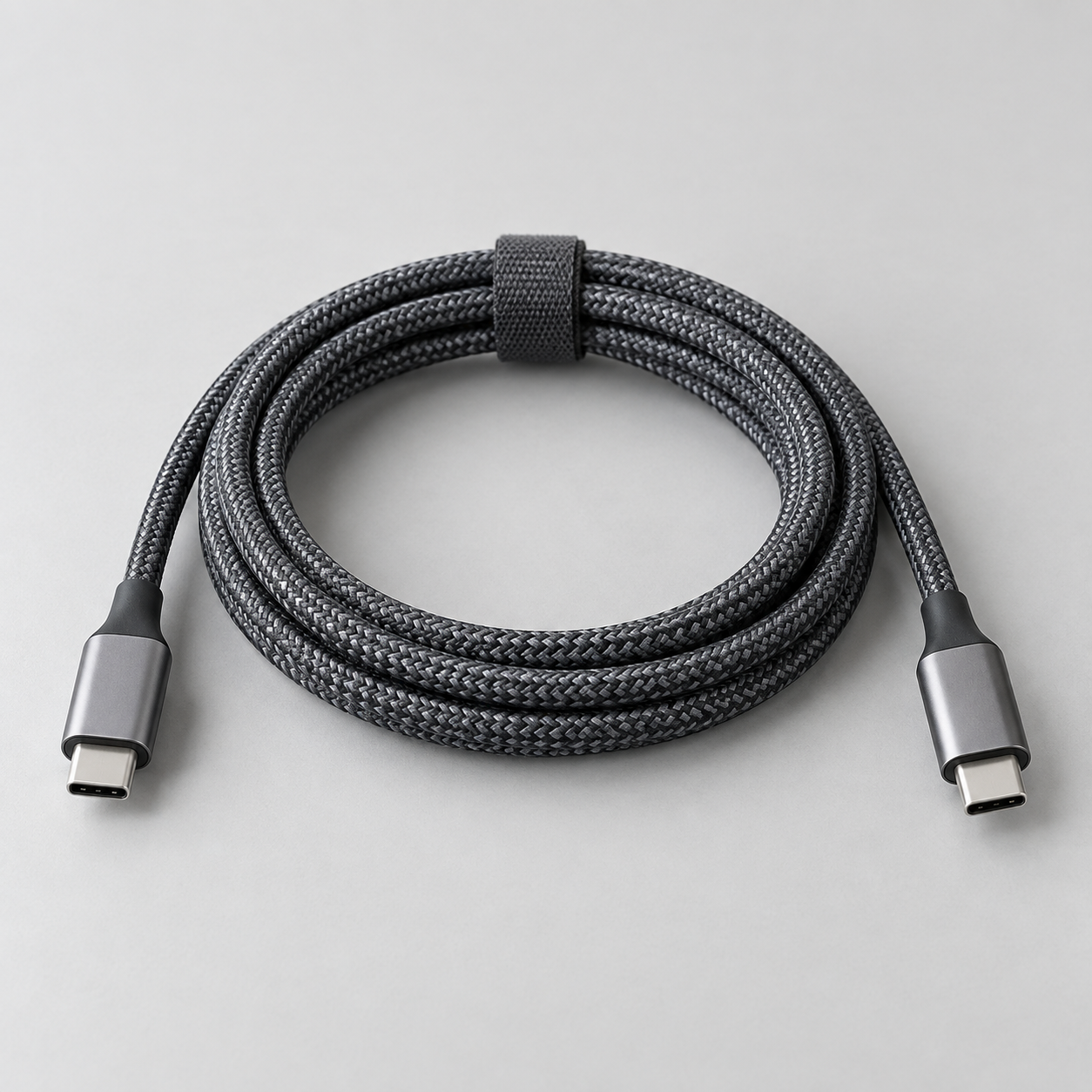
Image 2 purpose: Factory test record. Insert after the factory-testing section. Caption: "Documented factory testing supports consistent bulk-order inspection." ALT text: "Asian technician performing quality-control checks for USB-C laptop charging and data cable sourcing."
Mid-article CTA: Ask for Product Catalog after "Quality Control Before Shipment Release". End CTA: Get a Quote after the conclusion. Popup trigger: 40% scroll, 30 seconds, or exit intent. Popup title: "Send Your Product Requirements". Required fields: Name, Email, Phone. Submit button: Send Requirements.
Conclusion
Laptop cables should be sourced as a system requirement: power level, data speed, video capability, length, and durability may all differ even when both ends look like USB-C. Buyers get better results when the commercial decision, approved specification, sample evidence, and shipment checks all describe the same product. ByteAero supports B2B buyers with sample coordination, factory testing planning, packaging preparation, and wholesale inquiries. Send your requirements for a practical sourcing response.