
Quick Article Directory
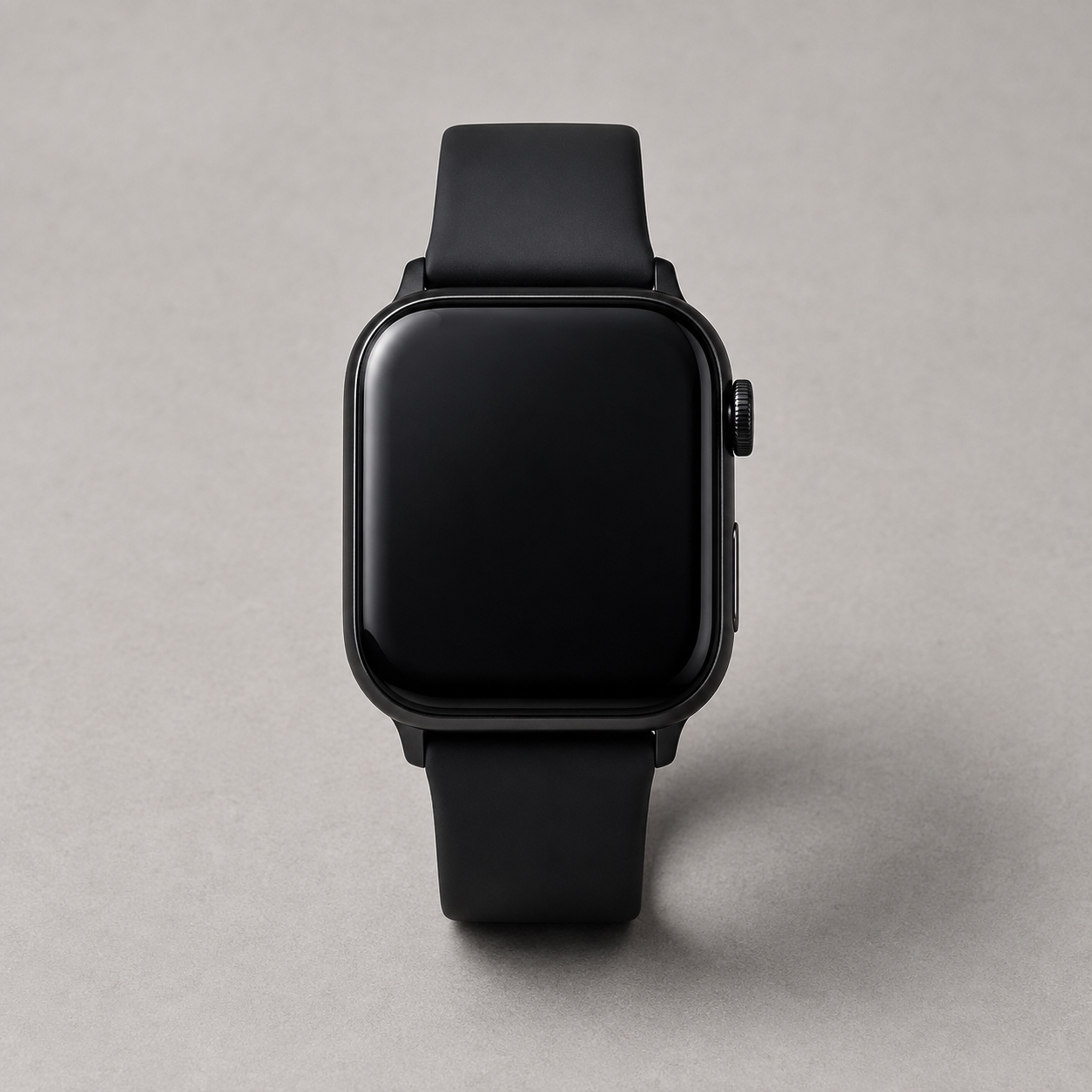
Fitness Tracker Wholesale Buying Guide for B2B Product Teams
Topic Research and Search Intent
**Blog title:** Fitness Tracker Wholesale Buying Guide for B2B Product Teams
**Target SEO keywords:**
- fitness trackers wholesale
- fitness trackers wholesale supplier
- fitness trackers bulk order
- fitness trackers private label
- fitness trackers quality control checklist
- fitness trackers buying guide
**Search intent:** retail buyers, sports-accessory distributors, and private-label wearable teams need a practical way to compare suppliers and approve fitness trackers for wholesale programs without relying on catalog images or a headline specification alone.
**Why this topic matters:** This guide answers the questions that appear between the first quotation and the purchase order: what to specify, how to test a sample, how to control packaging, what to inspect before shipment, and which evidence should support a market-facing claim. It is written for buyers who need a repeatable sourcing process rather than a generic product description.
Introduction
A successful fitness trackers for wholesale programs order is usually decided long before a container or courier booking. The work starts when a buyer translates customer requirements into a product brief that a supplier can quote, sample, test, and inspect. That process sounds procedural, but it protects the buyer from the familiar sources of avoidable cost: a mismatched accessory, a claim that cannot be supported, packaging that identifies the wrong version, or a product change that arrives too late to correct.
For retail buyers, sports-accessory distributors, and private-label wearable teams, the practical objective is to approve a product system. That means the unit, its accessories, connection or power method, instructions, labels, retail pack, and carton information should describe the same approved version. ByteAero uses this same approach across product categories, buyer FAQs, and product-selection guides such as this related sourcing article.
Direct Answer: How Should Buyers Source fitness trackers for wholesale programs?
Buyers should select fitness trackers for wholesale programs by defining the target user and market, approving an exact configuration, testing representative real-world conditions, retaining a golden sample, and inspecting finished goods against that reference. A credible supplier comparison includes technical details, documentation, packing, quality checks, and change control. The lowest quoted price is only useful when it covers the same approved product and service scope.
The right decision is rarely "which supplier has the most features." It is "which approved version can be delivered consistently with a clear specification, workable support process, and evidence that matches the intended customer claim." That distinction makes procurement more predictable for repeat orders.
Build a Product Brief Before Requesting Quotes
Define the user profile, preferred band style, display expectations, charging format, activity features, phone-app requirement, target price, package contents, language, and market. A tracker should be selected for realistic daily use, not only for the longest feature list on a quotation.
A strong RFQ identifies what must remain fixed and what may be offered as an option. Fixed items often include the model family, target market, main function, finish, color, included accessories, package language, required test evidence, and delivery window. Options may include color mix, cable length, logo method, packaging finish, or bundled accessories. Separate these two groups so the supplier does not quietly substitute a critical item in order to meet a target price.
Ask each supplier to return the product model, full specifications, included parts, sample lead time, production lead time, MOQ, packaging options, document availability, and inspection support. The resulting quotations become comparable only when they answer the same brief. Keep the original request, supplier response, and approved revision together; this becomes the project record when there is a later question about a component or claim.
Specifications That Need Written Approval
Review display readability, touch or button controls, band material and adjustment range, charging design, battery behavior, sensors, app connection, supported languages, vibration or notification function, and reset process. Any health- or activity-related statement needs careful product and market review before it reaches packaging.
Avoid accepting broad labels such as "premium," "fast," "universal," "professional," or "long-lasting" without a defined product basis. A precise requirement is easier to sample, inspect, and explain to a customer. For example, a connection or charging function should state the host devices and conditions; a physical-fit requirement should state the compatible product variant; a battery-related statement should identify the test condition and included cable or adapter.
The specification should also identify allowed tolerances and known limitations. This is not negative selling. It is a practical way to ensure that the sales page, retail pack, and support team do not promise behavior that only appeared in an early sample or a different product variant. Before artwork approval, review each visible specification against the sample result and documentation folder.
Compatibility and Daily-Use Validation
Test pairing with representative phones and operating systems, then record account setup, permissions, data synchronization, notification behavior, charging, unpairing, reset, and re-pairing. The practical customer experience includes the app installation process as much as the wrist device.
Create a compact compatibility sheet with columns for the product version, accessory, host device or environment, test condition, result, and reviewer. This does not need to be complicated. It only needs to establish what was actually checked. If a buyer plans to sell across several countries, add the relevant plug, language, outlet, network, or operating-system variation to the sample plan before production begins.
Daily-use validation should also consider normal mistakes. Check whether a customer can understand the first setup, find the included accessory, reset a connection, recognize an indicator, and use the product after a short interruption. These are the details that are easy to miss in a factory demonstration and expensive to explain after retail delivery.
Sample Testing and Factory Testing Plan
Sample tests should cover fit across more than one wrist size, screen response, charging contact, app setup, sync stability, basic activity recording, notifications where used, sleep and wake, and repeated charging. Keep conditions clear so the approved sample can be matched to production.
A useful test plan separates visual, functional, and endurance-style observations. Visual review checks color, materials, logo placement, labels, and package presentation. Functional review checks the core job under documented conditions. Endurance-style observations look for issues that appear after repeated use, charging, reconnecting, moving a mechanism, or operating at the expected load. The objective is not to simulate every possible lifetime event; it is to expose the most relevant failure modes before the buyer commits to production.
Retain at least one approved golden sample with the model number, date, version, and packaging reference. Where a digital function matters, store the software version and the device used during evaluation. Require written notice before a supplier changes an agreed critical component, firmware, cable, plug, battery, sensor, module, label, or packaging material. Change control is often more valuable than adding another row to a catalog.
Pre-Shipment Inspection and Acceptance Criteria
Shipment inspection should include case and band finish, screen, buttons, charger, boot, pairing, language, label, barcode, manual, packing insert, and carton count. Test random units with the final charging accessory and an approved phone environment.
Agree on acceptance criteria before goods are complete. Define the product identity, critical functional checks, major visual defects, minor cosmetic tolerance, pack contents, barcode or label verification, carton quantity, and shipping-mark review. If an AQL-style sampling approach is used, make sure the actual defect definitions are written down; a sampling number by itself does not explain what is acceptable.
Shipment inspection is also the final chance to compare production evidence with the retail promise. If the pack says an accessory is included, count it. If it lists a connection, output, compatibility, or power function, verify random samples in the same condition used to approve the claim. If the unit or carton label references a model or document, make sure it matches the goods that will ship.
Compliance, Labels, and Import Preparation
Verify destination-market product information, wireless and battery documentation where applicable, warnings, importer details, and permitted function claims. Do not imply medical accuracy or certification unless the final product and claim have been specifically reviewed.
Create a pre-booking file that includes the approved specification, product and packaging artwork, instruction manual, label proof, test evidence, declarations or certificates where applicable, packing list, commercial invoice data, and shipping information. For battery or wireless products, include the particular documents required by the final configuration and route. Ask the freight partner to confirm acceptance before cargo collection rather than after cartons are already packed.
A supplier can provide documents, but the importer remains responsible for understanding the destination-market position. The most reliable practice is to review product identity, document scope, standard or regulation reference, test sample match, label information, and claim wording together. Use Bluetooth SIG specifications as an authoritative reference point, then confirm the requirements that apply to the actual product and market.
Purchase Decision Matrix
retail buyers, sports-accessory distributors, and private-label wearable teams should turn the earlier sample work into a simple decision matrix before confirming fitness trackers for wholesale programs. Score each candidate against the same fixed criteria: configuration match, intended-use performance, compatibility evidence, finish and pack quality, documentation readiness, supplier communication, sample lead time, production lead time, inspection cooperation, and total landed-cost assumptions. A five-point scale is often enough, provided each score is backed by a note, photo, test result, or supplier response.
Separate "must pass" conditions from trade-offs. A model that fails a required compatibility, safety, labeling, or pack-content check should not be rescued by a lower quote or a more attractive cosmetic finish. Trade-offs can then be discussed transparently: a stronger material may increase cost, a different accessory may change the target retail price, or a more complete test plan may extend the sample stage while reducing uncertainty before mass production.
Use the matrix again after shipment inspection. Compare the approved result with the actual production result, record any corrective action, and keep the file with the next order brief. Over time, this creates a supplier-performance history based on evidence rather than memory. It also helps a purchasing team explain why a particular version was selected when colleagues, retail partners, or customers ask about the decision.
Why Similar Quotations Can Have Different Prices
Cost is shaped by display, sensor set, battery, charging design, strap, app and firmware scope, packaging, documentation, test requirements, and quantity. The most useful price comparison identifies the user experience and support burden attached to each version.
Request a quote table that shows the product version, accessories, packaging, documentation, test process, and commercial terms. This prevents "same price" comparisons from hiding a different cable, battery, plug, component, packaging grade, or inspection standard. For a new range, approve the product and pack before pushing for an aggressive landed-price target. A disciplined first order creates a cleaner basis for later cost optimization.
Supplier Comparison and RFQ Checklist
Use this shortlist before confirming a supplier:
- Does the supplier quote the exact product configuration and accessory set?
- Is there a sample plan that tests the intended customer use?
- Are compatibility claims linked to named devices or conditions?
- Can the supplier explain factory testing and shipment inspection checks?
- Does the packaging show the final model, permitted claims, and required information?
- Are changes to critical components, firmware, labels, or accessories controlled in writing?
- Does the documentation match the final model and destination market?
- Is the freight and carton plan confirmed before goods are released?
A practical RFQ can read: "We require fitness trackers for wholesale programs for the [destination] market. Please quote the attached specification and confirm model details, included accessories, sample timing, MOQ, packaging options, documents available for the exact version, factory testing method, shipment inspection support, and production lead time. Please identify any feature, compatibility, or label claim that needs further sample validation."
Send Your Requirements
At this stage, use the ByteAero inquiry form to send the product category, target market, estimated quantity, required functions, packaging direction, and delivery timing. A structured brief makes it possible to prepare an apples-to-apples quotation and a realistic sample plan.
FAQ
What should retail buyers approve before a bulk fitness trackers for wholesale programs order?
Approve the final model, critical specifications, tested device or usage conditions, accessory list, product and packaging artwork, acceptance criteria, documentation plan, and a retained golden sample. A quotation alone does not control these details.
How can buyers reduce returns for fitness trackers for wholesale programs?
Use product claims that match documented tests, verify compatibility on representative devices or environments, check finished pack contents, inspect random production units, and make setup limits clear in the manual and packaging. Accurate information usually prevents more returns than a broader claim.
What should an RFQ for fitness trackers for wholesale programs include?
State the target market, product version, required functions, compatibility or use case, quantity, packaging need, logo request, required documentation, delivery timing, sample decision criteria, and shipment inspection expectation. This gives suppliers a workable basis for comparison.
Image Planning and AI Generation Prompts
**Image 1 purpose:** Product-use and specification context.
**Insert position:** After "Sample Testing and Factory Testing Plan."
**Caption:** A full fitness tracker with adjustable band, charging cable, and paired phone displayed on a clean test desk.
**ALT text:** fitness trackers for wholesale programs prepared for documented sample testing and wholesale approval.
**AI image prompt:** "Authentic commercial product photograph of fitness trackers for wholesale programs in a clean real working environment, full product visible, natural materials and lighting, accurate accessories, no logos, no readable text, documentary photography, not CGI."
**Image 2 purpose:** Factory testing and shipment inspection evidence.
**Insert position:** After "Pre-Shipment Inspection and Acceptance Criteria."
**Caption:** An Asian quality technician testing fitness-tracker screen response, charging contacts, and phone synchronization.
**ALT text:** Asian quality technician performing factory testing for fitness trackers for wholesale programs before shipment.
**AI image prompt:** "Realistic documentary electronics factory photograph of an Asian quality technician performing final functional testing and shipment inspection for fitness trackers for wholesale programs, clean inspection bench, product and packaging visible, natural industrial lighting, no readable text, no logos, not CGI."
CTA and Inquiry Popup Plan
**Mid-article CTA position:** After "Pre-Shipment Inspection and Acceptance Criteria."
**CTA text:** Send Your Requirements
**End CTA position:** After "Conclusion."
**CTA text:** Ask for Product Catalog
**Popup trigger suggestion:** Show after 40% scroll, after 30 seconds of engaged reading, or on exit intent.
**Popup title:** "Plan Your fitness trackers for wholesale programs Order"
**Popup copy:** "Send your target market, product requirements, packaging direction, expected quantity, and delivery timing. We will help organize a practical sourcing and sample plan."
**Suggested form fields:** Name, Email, Phone, Company, Country/Region, Product Requirement, Quantity, Message.
**Submit button text:** Send Requirements
Conclusion
fitness trackers for wholesale programs sourcing is more dependable when a buyer controls the full path from product brief to shipment inspection. Approve the exact configuration, test the intended use, align claims with evidence, retain a golden sample, and inspect the finished pack before release. Contact ByteAero to request a product catalog or prepare a sourcing brief for your target market.