
Wireless charging pads
Flat charging surfaces for everyday desks, bedside use, retail bundles, and promotional programs.
Check coil position, anti-slip behavior, indicator visibility, case tolerance, adapter requirement, and heat.Plan pads, stands, magnetic chargers, and multi-device stations around alignment, supported power, target devices, adapters, thermal behavior, packaging, and verified customer claims.
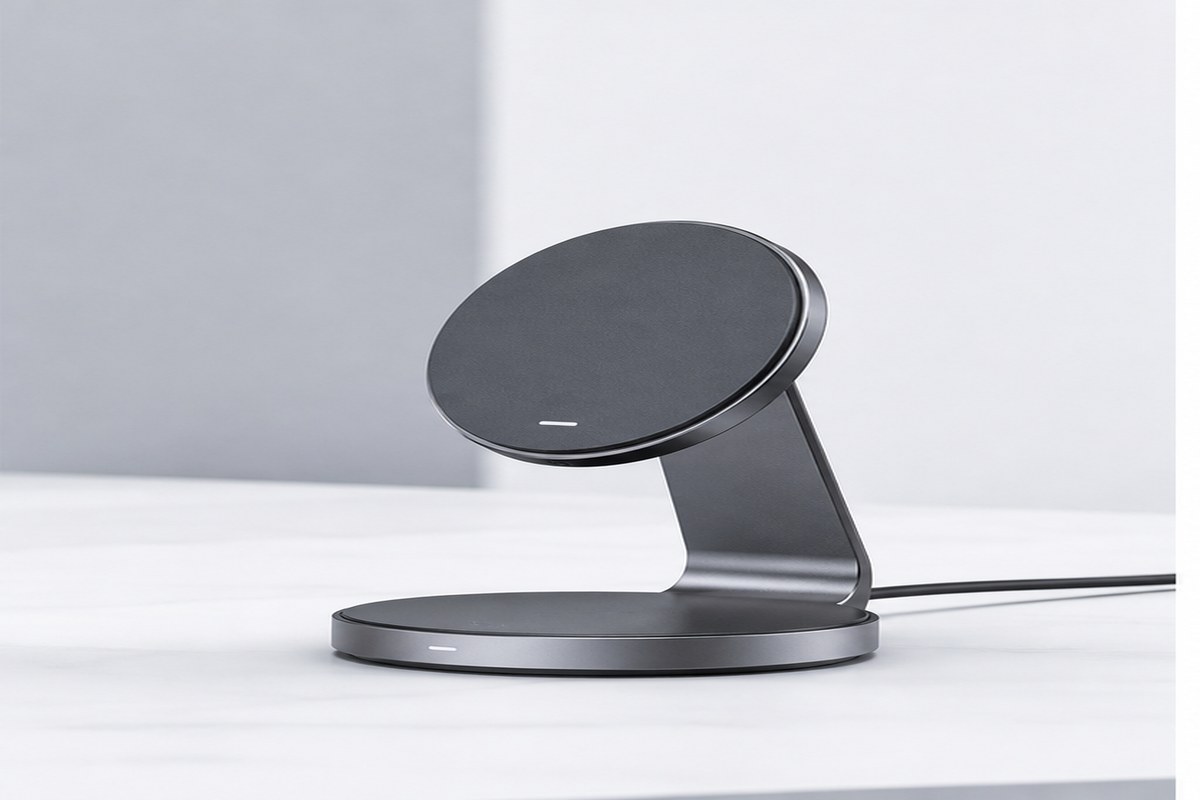
A wireless charger is part of a system that includes the phone or wearable, coil position, case, power adapter, cable, charging protocol, surface, and room conditions. Buyers should approve the complete setup rather than comparing nominal wattage alone.
Flat charging surfaces for everyday desks, bedside use, retail bundles, and promotional programs.
Check coil position, anti-slip behavior, indicator visibility, case tolerance, adapter requirement, and heat.Angled products for video calls, notifications, office desks, kitchens, and bedside use.
Confirm portrait and landscape alignment, stability, viewing angle, cable routing, and one-hand removal.Alignment-focused products for compatible devices and magnetic accessory ranges.
Verify magnetic hold, certified capability where claimed, device cases, charging behavior, and permitted wording.Combined charging for phones, earbuds, watches, and other supported devices.
Test every charging position alone and together, including power allocation, watch compatibility, and temperature.Charging mounts for dashboards, vents, or consoles where supported.
Review mount retention, vibration, alignment, phone size, case thickness, cable, adapter, and vehicle temperature.Brandable chargers with coordinated cables, adapters, instructions, packaging, and retail presentation.
Approve the complete bundle, supported devices, claims, labels, barcode, artwork, and pack-out reference.Customization is useful only when the final configuration remains clear to the buyer, supplier, inspector, and sales channel.
Confirm each option before quotation and repeat it in the approved sample record. Final capability, documentation, MOQ, lead time, and compliance scope depend on the selected product and destination market.
Send Project BriefA repeatable approval sequence keeps commercial expectations and product evidence connected.
Share the target market, sales channel, application, quantity, packaging needs, and timing.
Review configuration, samples, test evidence, commercial scope, and known product limitations.
Freeze the product, accessories, appearance, labels, artwork, instructions, and packaging.
Use the approved reference for production follow-up, inspection, cartons, and document handoff.
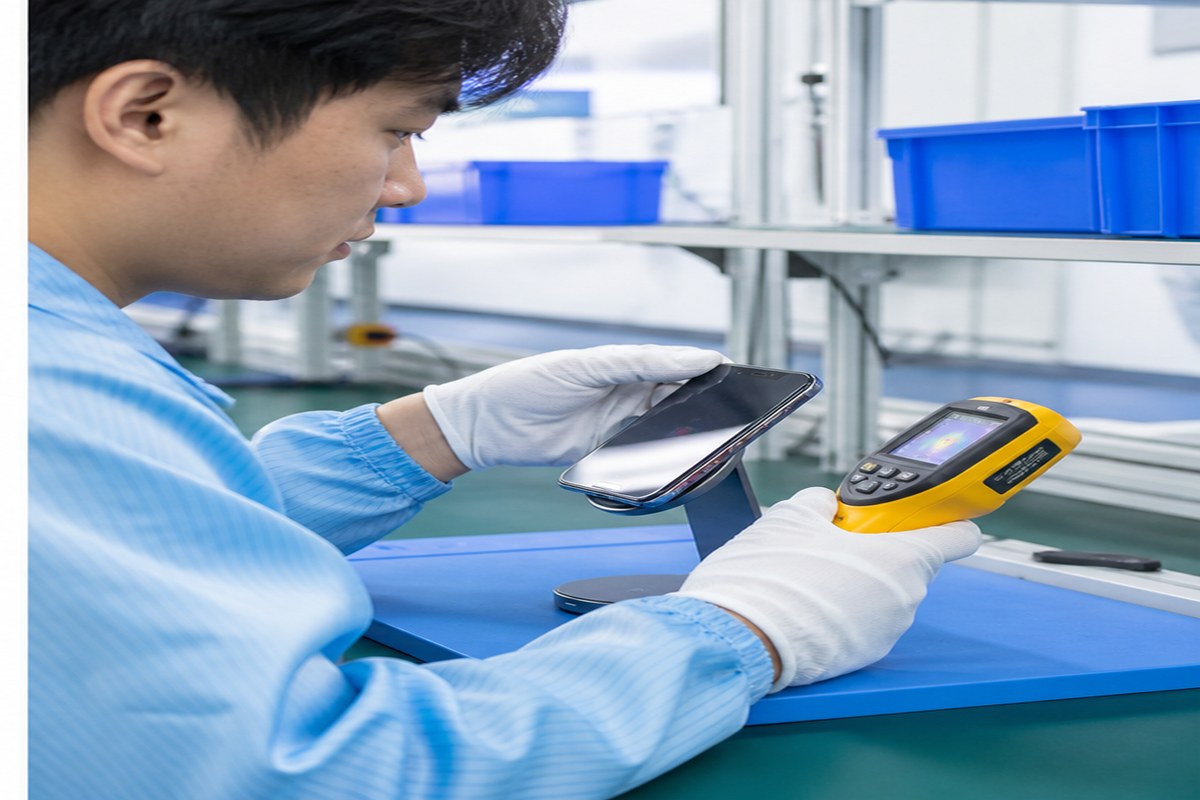
Test representative phones, earbuds, watches, cases, cables, and adapters from the target market.
Check placement tolerance, magnetic hold where applicable, stand stability, surface grip, and cable movement.
Record charging behavior and accessible temperatures under defined room, device, adapter, and case conditions.
Match model, supported power, certification claims, cable, adapter, labels, instructions, packaging, and cartons.
Build a clear wireless-charging range across entry, magnetic, travel, and multi-device applications.
Use controlled compatibility language, complete bundle information, and demonstrable use cases.
Select simple formats with reliable setup, practical instructions, and controlled branding.
Include your market, channel, estimated quantity, required configuration, packaging, and timing.
ByteAero will review the request and continue by email. Product capability, price, MOQ, samples, documentation, and delivery details are confirmed for the selected model and project.
Email: info@byteaero.com
Required fields are marked with *.
These answers outline the buying process. Final details depend on product, destination market, quantity, and customization scope.
Share the target devices, required format, Qi or Qi2 expectation, charging positions, supplied cable or adapter, quantity, destination market, branding, and packaging needs.
No. Charging speed depends on the device, protocol, coil alignment, adapter, cable, temperature, case, and power-management behavior. Test the complete system.
Only use Qi2 or certification-related claims when the exact model and configuration have suitable evidence and permission for the destination market.
Test each position separately and simultaneously with representative devices, then check alignment, power allocation, heat, indicators, stability, and repeated connection.
Inspection can cover appearance, dimensions, magnetic or mechanical fit, representative charging, indicators, cable and adapter, labels, artwork, accessories, packaging, barcodes, and cartons.