
Gaming mice
Wired, wireless, multi-mode, lightweight, ergonomic, and configurable mouse directions.
Check sensor behavior, DPI steps, polling, click latency, lift-off, switches, feet, cable, receiver, software, and fit.Compare gaming mice, keyboards, controllers, headsets, and desk accessories with defined platforms, connection modes, latency, controls, ergonomics, software, durability, packaging, and private-label references.
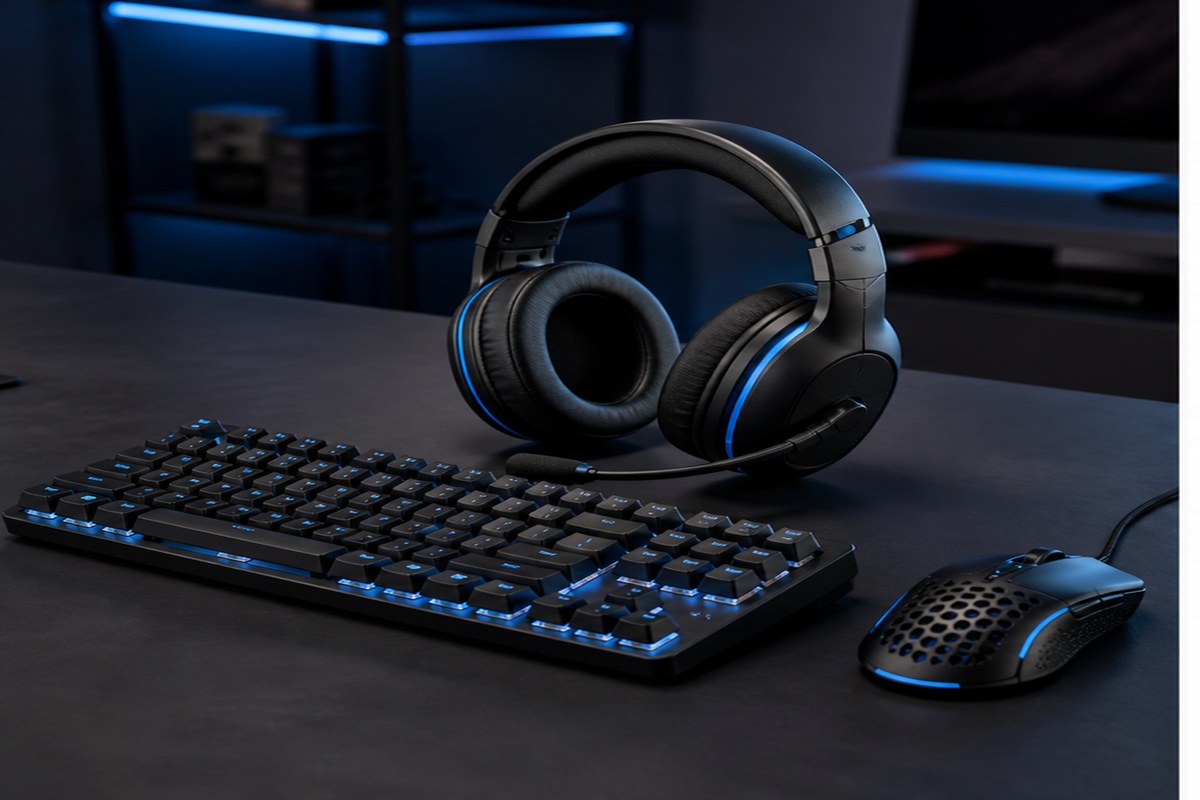
Connection mode, polling behavior, latency, dead zone, switch feel, audio, microphone, software, firmware, operating system, console support, hand fit, and play style all affect the experience. Approve samples with representative games, devices, and users.
Wired, wireless, multi-mode, lightweight, ergonomic, and configurable mouse directions.
Check sensor behavior, DPI steps, polling, click latency, lift-off, switches, feet, cable, receiver, software, and fit.Full-size, compact, hot-swap, wired, wireless, and lighting-focused keyboard products.
Confirm layout, switch, stabilizers, rollover, latency, connection, keycaps, firmware, software, and acoustic consistency.Wired and wireless controllers for defined computer, mobile, cloud, or console platforms.
Test platform identity, buttons, sticks, triggers, dead zone, vibration, latency, firmware, pairing, and reconnect.Wired, USB, receiver-based, and Bluetooth audio products with boom or built-in microphones.
Review platform, audio channels, microphone, latency, controls, comfort, cable or receiver, software, and mechanics.Microphones, lights, capture-related accessories, mouse pads, stands, and cable management.
Validate the complete creator or player workflow, mounting, ports, software, stability, controls, and bundle contents.Coordinated products with colors, finishes, logos, lighting, software where supported, and retail packaging.
Freeze hardware, firmware, software, platform claims, controls, accessories, artwork, and golden sample by SKU.Customization is useful only when the final configuration remains clear to the buyer, supplier, inspector, and sales channel.
Confirm each option before quotation and repeat it in the approved sample record. Final capability, documentation, MOQ, lead time, and compliance scope depend on the selected product and destination market.
Send Project BriefA repeatable approval sequence keeps commercial expectations and product evidence connected.
Share the target market, sales channel, application, quantity, packaging needs, and timing.
Review configuration, samples, test evidence, commercial scope, and known product limitations.
Freeze the product, accessories, appearance, labels, artwork, instructions, and packaging.
Use the approved reference for production follow-up, inspection, cartons, and document handoff.

Test approved hosts, operating systems, wired, receiver, Bluetooth, pairing, reconnect, sleep, wake, and software.
Measure or compare sensor, polling, latency, dead zone, buttons, switches, rollover, audio, microphone, and profiles.
Check controls, connectors, cables, receiver storage, hinges, cushions, keycaps, feet, finishes, and repeated handling.
Match firmware, software reference, platform claims, accessories, labels, instructions, packaging, barcode, and cartons.
Build entry, mainstream, competitive, wireless, creator, and platform-specific product tiers.
Use accurate compatibility, performance, software, and package information for each SKU.
Standardize durable products, settings, cables, receivers, spare items, cleaning, and replacement references.
Include your market, channel, estimated quantity, required configuration, packaging, and timing.
ByteAero will review the request and continue by email. Product capability, price, MOQ, samples, documentation, and delivery details are confirmed for the selected model and project.
Email: info@byteaero.com
Required fields are marked with *.
These answers outline the buying process. Final details depend on product, destination market, quantity, and customization scope.
Share target platforms, users, connection modes, required performance, software needs, price position, quantity, destination, branding, packaging, and launch timing.
Name the exact platform and connection path, supported functions, software or firmware requirement, limitations, adapters, and tested operating-system or console versions.
No. Sensor implementation, stability, latency, CPU load, surface, firmware, wireless behavior, player settings, and practical control matter more than one headline number.
Record center drift, initial movement, full range, circularity, trigger behavior, calibration, firmware, platform, and results across several samples.
Inspection can cover platform identity, connection, controls, performance sampling, firmware, software reference, mechanics, accessories, labels, packaging, and cartons.