
Portable SSDs
Compact solid-state storage for backup, media, travel, creators, and professional workflows.
Verify real capacity, interface, sustained read and write, temperature, cable, host compatibility, and enclosure protection.Plan portable storage products around real capacity, interface, host compatibility, sustained workload, temperature, file systems, endurance expectations, included cables, packaging, and traceable quality checks.
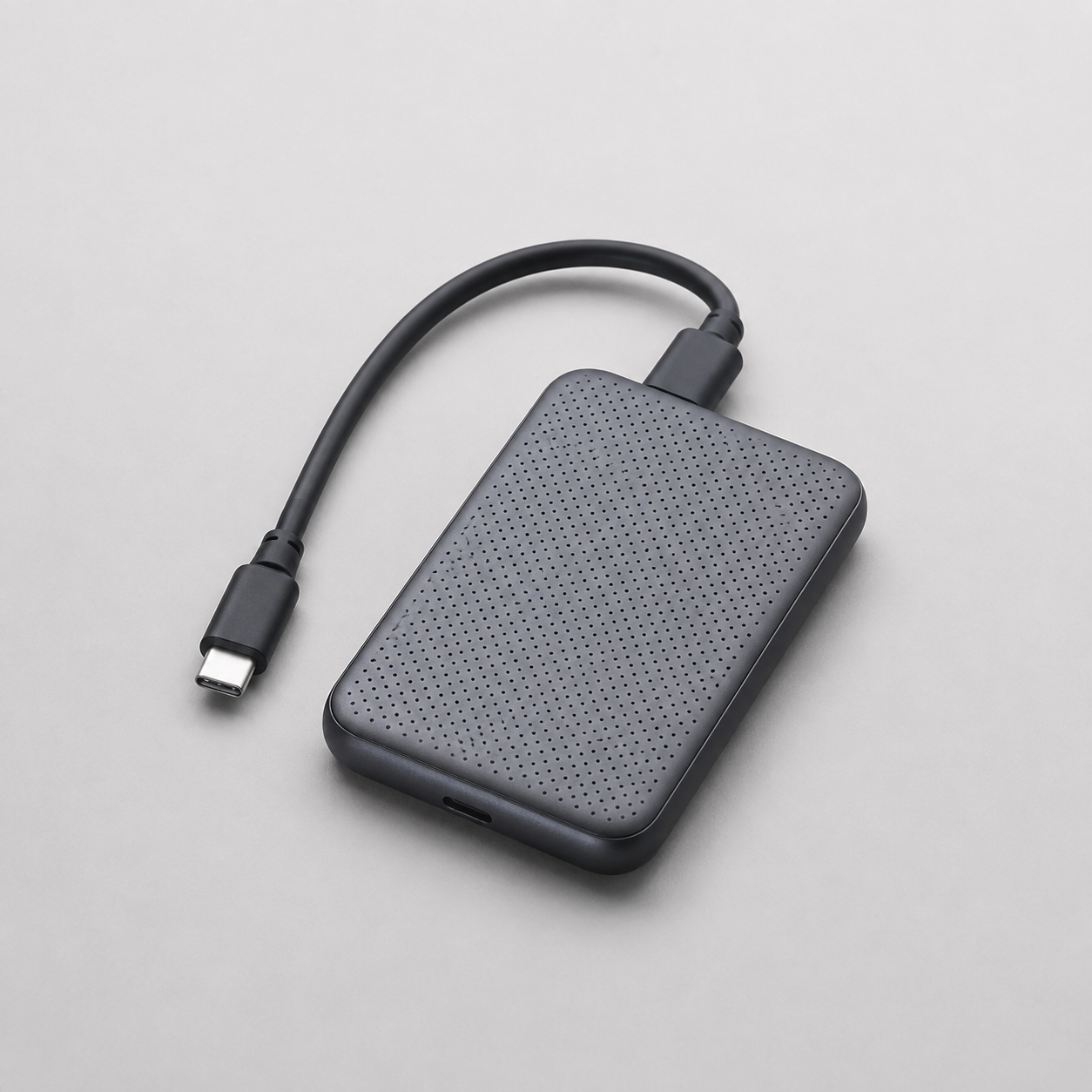
Controller, memory type, interface, bridge, cache, capacity, file size, host, cable, temperature, free space, and test method affect storage performance. Buyers should record sustained transfer and data-integrity results under defined conditions instead of relying on a single peak number.
Compact solid-state storage for backup, media, travel, creators, and professional workflows.
Verify real capacity, interface, sustained read and write, temperature, cable, host compatibility, and enclosure protection.USB-A, USB-C, dual-interface, compact, promotional, and retail storage products.
Check usable capacity, sustained transfer, connector mechanics, compatibility, housing, formatting, and branding durability.Single and multi-slot readers for photography, video, mobile, office, and transfer workflows.
Confirm card formats, bus speed, simultaneous behavior, host support, cable, insertion, heat, and eject workflow.External housings for selected SATA or NVMe drives and upgrade or reuse programs.
Define drive type and size, bridge chipset, interface, cooling, installation, tool kit, cable, and operating-system support.Storage products with hardware or software security features where supported.
Review encryption method, authentication, recovery, software support, update responsibility, limitations, and user instructions.Coordinated capacities, enclosures, cables, logos, labels, utilities where supported, and packaging.
Freeze controller and memory references, capacity, firmware, performance method, identifiers, claims, and golden sample.Customization is useful only when the final configuration remains clear to the buyer, supplier, inspector, and sales channel.
Confirm each option before quotation and repeat it in the approved sample record. Final capability, documentation, MOQ, lead time, and compliance scope depend on the selected product and destination market.
Send Project BriefA repeatable approval sequence keeps commercial expectations and product evidence connected.
Share the target market, sales channel, application, quantity, packaging needs, and timing.
Review configuration, samples, test evidence, commercial scope, and known product limitations.
Freeze the product, accessories, appearance, labels, artwork, instructions, and packaging.
Use the approved reference for production follow-up, inspection, cartons, and document handoff.

Verify model, controller or approved reference, memory configuration, marketed capacity, usable capacity, firmware, and identifiers.
Run defined file sizes, queue, duration, free-space, host, interface, cable, and temperature conditions.
Copy, verify, disconnect, reconnect, sleep, wake, format, fill, and repeated-transfer tests with error records.
Check connectors, cable, enclosure, heat path, print, labels, accessories, instructions, packaging, and cartons.
Build capacity, interface, performance, security, and form-factor tiers with controlled references.
Match sustained transfer, thermal behavior, cables, hosts, and workflows to realistic claims.
Balance branding, traceability, compatibility, data handling, packaging, and delivery requirements.
Include your market, channel, estimated quantity, required configuration, packaging, and timing.
ByteAero will review the request and continue by email. Product capability, price, MOQ, samples, documentation, and delivery details are confirmed for the selected model and project.
Email: info@byteaero.com
Required fields are marked with *.
These answers outline the buying process. Final details depend on product, destination market, quantity, and customization scope.
Share product type, capacity, interface, performance target, host devices, workflow, security needs, quantity, destination, branding, packaging, and delivery timing.
Manufacturers and operating systems may use different decimal or binary units, and formatting, firmware, reserved space, or over-provisioning can reduce displayed usable capacity.
Use the same host, port, cable, file size, test duration, free space, file system, temperature, and software. Separate peak from sustained results.
Copy known test data, verify checksums, repeat transfers, fill the device where appropriate, reconnect, power cycle, sleep-wake, and record any error or corruption.
Inspection can cover capacity, identity, sample transfer, checksums, temperature, connectors, cable, format, labels, identifiers, packaging, barcodes, and cartons.