
Cases and protection
Clear, soft, rigid, rugged, magnetic, wallet, and lifestyle cases for defined phone models.
Check exact model fit, buttons, ports, camera clearance, wireless charging, magnets, yellowing, finish, and drop claims.Plan cases, screen protection, mounts, stands, charging, cables, adapters, and creator accessories around exact device models, customer use, installation, materials, packaging, and shipment checks.
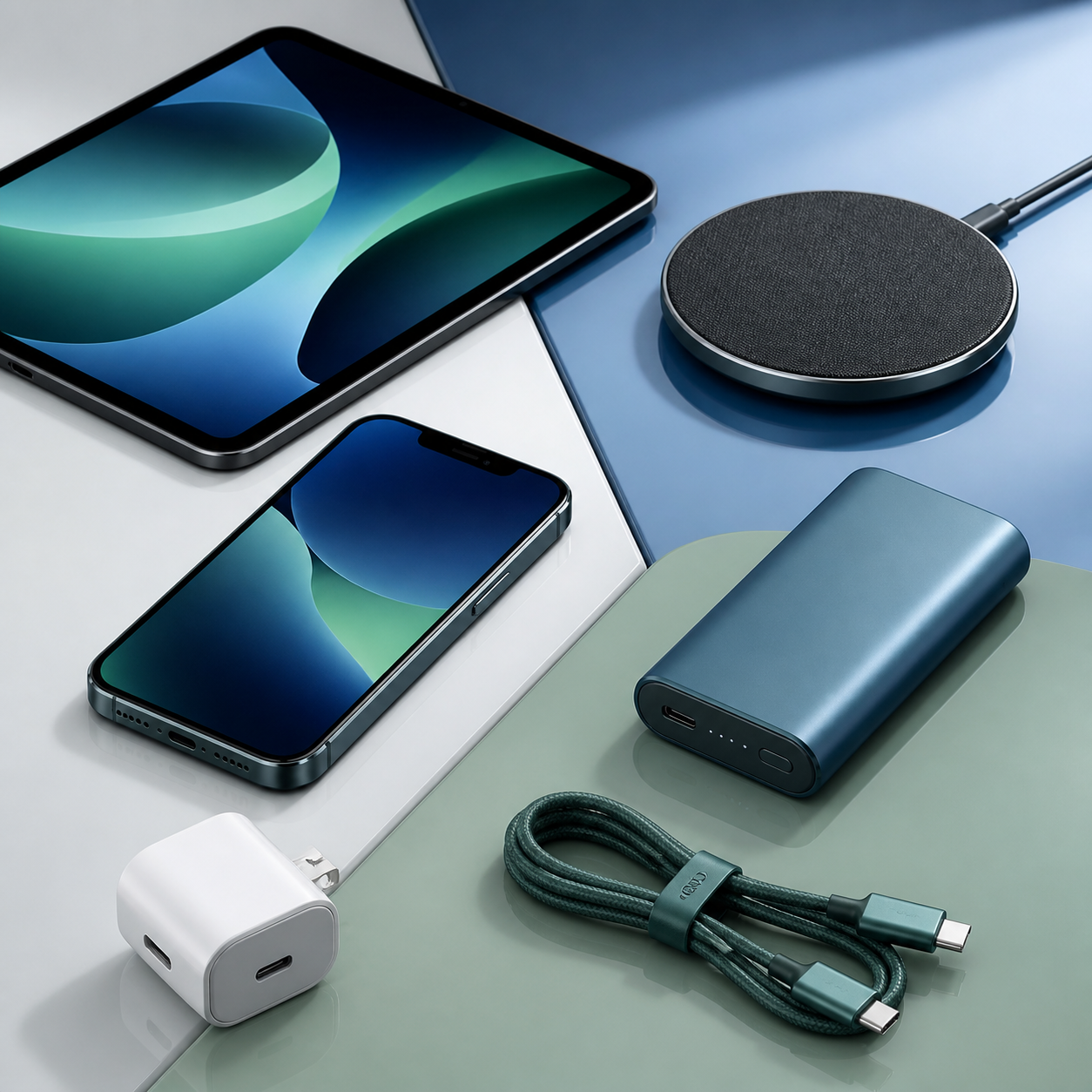
Phone accessories often look interchangeable but differ in dimensions, camera clearance, connector position, magnetic alignment, charging behavior, screen geometry, materials, installation method, and included parts. Control these details by device generation and market version.
Clear, soft, rigid, rugged, magnetic, wallet, and lifestyle cases for defined phone models.
Check exact model fit, buttons, ports, camera clearance, wireless charging, magnets, yellowing, finish, and drop claims.Tempered glass, film, privacy, camera protection, and installation kits.
Verify screen dimensions, edge shape, case compatibility, touch, fingerprint behavior, optical quality, and installation yield.Desk, vehicle, travel, magnetic, clamp, foldable, tripod, and creator-focused formats.
Review device size and weight, hold strength, adjustment, vibration, surface attachment, removal, and stability.Wall, car, wireless, travel, and multi-device charging products for mobile ranges.
Confirm protocols, output profiles, cable assumptions, plug version, temperature, labels, and target devices.USB-C, Lightning-compatible where permitted, audio, data, video, and compact adapter products.
Define connector, power, data, video, length, materials, chipset where relevant, and compatibility limits.Tripods, lights, microphones, shutters, holders, pouches, and coordinated mobile kits.
Test the combined workflow, included adapters, setup instructions, pack-out, protection, and replacement references.Customization is useful only when the final configuration remains clear to the buyer, supplier, inspector, and sales channel.
Confirm each option before quotation and repeat it in the approved sample record. Final capability, documentation, MOQ, lead time, and compliance scope depend on the selected product and destination market.
Send Project BriefA repeatable approval sequence keeps commercial expectations and product evidence connected.
Share the target market, sales channel, application, quantity, packaging needs, and timing.
Review configuration, samples, test evidence, commercial scope, and known product limitations.
Freeze the product, accessories, appearance, labels, artwork, instructions, and packaging.
Use the approved reference for production follow-up, inspection, cartons, and document handoff.

Test exact approved phones for dimensions, buttons, ports, cameras, speakers, sensors, cases, and chargers.
Install, attach, charge, mount, fold, remove, and reuse the sample as a customer would.
Check color, transparency, odor, coating, edges, adhesion, surface protection, print, and cosmetic consistency.
Match model fit, claims, barcode, kit contents, instructions, retail packaging, inner packs, and cartons.
Maintain device-generation coverage and replenishment across protection, charging, mounting, and cables.
Use clear fit labels, practical installation tools, controlled materials, and customer-friendly packaging.
Build searchable model-specific listings and coordinated bundles with accurate contents.
Include your market, channel, estimated quantity, required configuration, packaging, and timing.
ByteAero will review the request and continue by email. Product capability, price, MOQ, samples, documentation, and delivery details are confirmed for the selected model and project.
Email: info@byteaero.com
Required fields are marked with *.
These answers outline the buying process. Final details depend on product, destination market, quantity, and customization scope.
Send exact target phone models, product categories, application, quantity, price position, destination, branding, packaging, and launch timing.
Use the exact phone model and check dimensions, buttons, ports, cameras, speakers, sensors, wireless charging, magnets, screen protector, and any claimed accessory fit.
Common causes include incorrect dimensions, edge shape, dust, weak or uneven adhesive, poor cleaning kits, case interference, bubbles, touch issues, and unclear instructions.
A common visual system is useful, but each SKU must clearly identify the exact compatible model, contents, barcode, instructions, and any functional limitations.
Inspection can cover model assortment, dimensions, physical fit, representative function, materials, finish, print, accessories, labels, packaging, barcodes, and cartons.