
Compact everyday models
Portable power banks for mobile retail, gifting, and daily carry.
Review cell energy, rated output, charging ports, weight, enclosure, and cable configuration.Build a retail or distribution program around verified charging behavior, battery documentation, regional labels, approved packaging, and a shipment inspection plan.
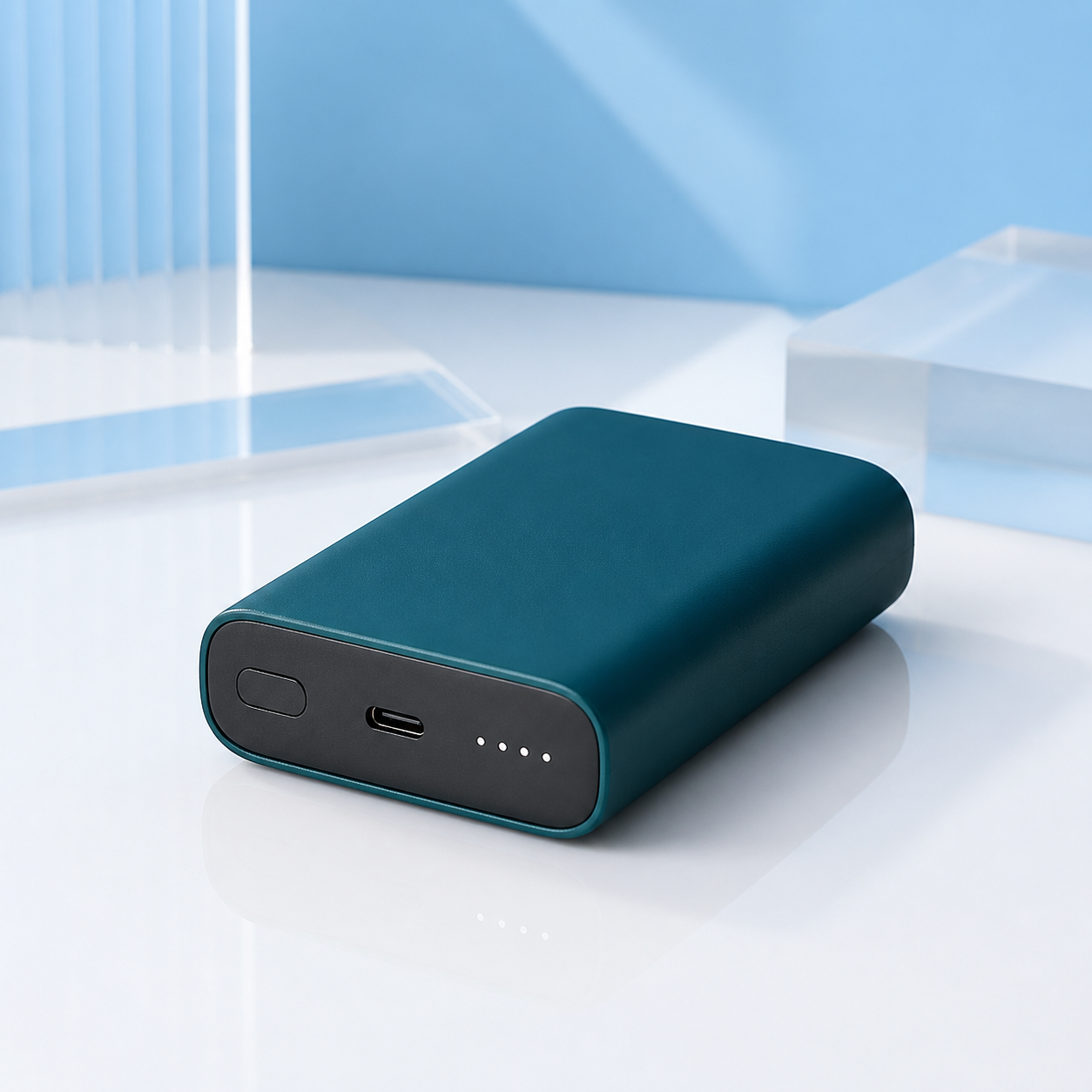
Two power banks with the same headline capacity can differ in cell configuration, rated output capacity, charging profiles, thermal behavior, ports, enclosure, protection design, documentation, and packaging. A useful sourcing brief defines how those differences will be checked.
Portable power banks for mobile retail, gifting, and daily carry.
Review cell energy, rated output, charging ports, weight, enclosure, and cable configuration.Snap-on charging formats with stand, slim, or combined wired-output options.
Confirm phone and case alignment, wireless protocol, heat, wired output, and magnetic hold.Integrated USB-C or multi-cable products designed for convenient travel use.
Check cable rating, strain relief, connector fit, replacement expectations, and total shared output.Higher-output USB-C PD products for notebooks, tablets, and mobile work.
Match output profiles to target laptops and verify watt-hours, size, temperature, and transport planning.Power banks combined with plugs, cables, stands, or wireless charging.
Treat every additional function as part of the sample, safety, labeling, and inspection scope.Brandable models for corporate, retail, and campaign programs.
Approve logo method, color, packaging, accessory set, labels, and final product claims.Customization is useful only when the final configuration remains clear to the buyer, supplier, inspector, and sales channel.
Confirm each option before quotation and repeat it in the approved sample record. Final capability, documentation, MOQ, lead time, and compliance scope depend on the selected product and destination market.
Send Project BriefA repeatable approval sequence keeps commercial expectations and product evidence connected.
Share the target market, sales channel, application, quantity, packaging needs, and timing.
Review configuration, samples, test evidence, commercial scope, and known product limitations.
Freeze the product, accessories, appearance, labels, artwork, instructions, and packaging.
Use the approved reference for production follow-up, inspection, cartons, and document handoff.

Separate cell capacity, watt-hours, rated output capacity, and measured delivered energy.
Check input, output, port combinations, low-power behavior, and representative target devices.
Observe temperature, protection behavior, recharge time, and agreed endurance evidence.
Match the final model and cell configuration to labels, reports, packaging, and transport documents.
Build good-better-best capacity and charging ranges for dealer and retail channels.
Choose portable formats, integrated cables, and brandable packaging around clear use cases.
Match high-output products to notebooks, tablets, field teams, and mobile work.
Include your market, channel, estimated quantity, required configuration, packaging, and timing.
ByteAero will review the request and continue by email. Product capability, price, MOQ, samples, documentation, and delivery details are confirmed for the selected model and project.
Email: info@byteaero.com
Required fields are marked with *.
These answers outline the buying process. Final details depend on product, destination market, quantity, and customization scope.
Choose capacities around user scenarios, portability, target devices, price position, and transport constraints rather than filling every nominal capacity.
No. Cell capacity is stated at the cell voltage, while usable output is affected by conversion, protocol, load, temperature, and cutoff behavior. Both should be described clearly.
Buyers and logistics providers commonly review model-specific battery test information, watt-hours, labels, packaging, and route or carrier requirements. Confirm the exact obligation for the final shipment.
Suitable models can be discussed for logo, color, artwork, inserts, manuals, barcode, and retail packaging. Customization scope affects MOQ, approval work, and timing.
Inspection can check quantity, appearance, output, input, indicators, ports, cables, labels, accessories, packaging, cartons, and consistency with the approved sample.