Quick Article Directory
Smart LED Bulb Wholesale Guide for Connected Lighting Buyers
Topic Research and Search Intent
Blog title: Smart LED Bulb Wholesale Guide for Connected Lighting Buyers
Target keyword: smart LED bulb wholesale
Search intent: Overseas retailers and smart-home distributors want to source connected lighting while confirming base type, brightness, color range, wireless compatibility, app setup, packaging, and destination-market information.
Why this topic fits a B2B export website: Smart bulbs are accessible entry products for a connected-home range. A buyer who begins with lighting can later source hubs, speakers, cameras, and switches, so the guide supports category-building inquiries.
Introduction
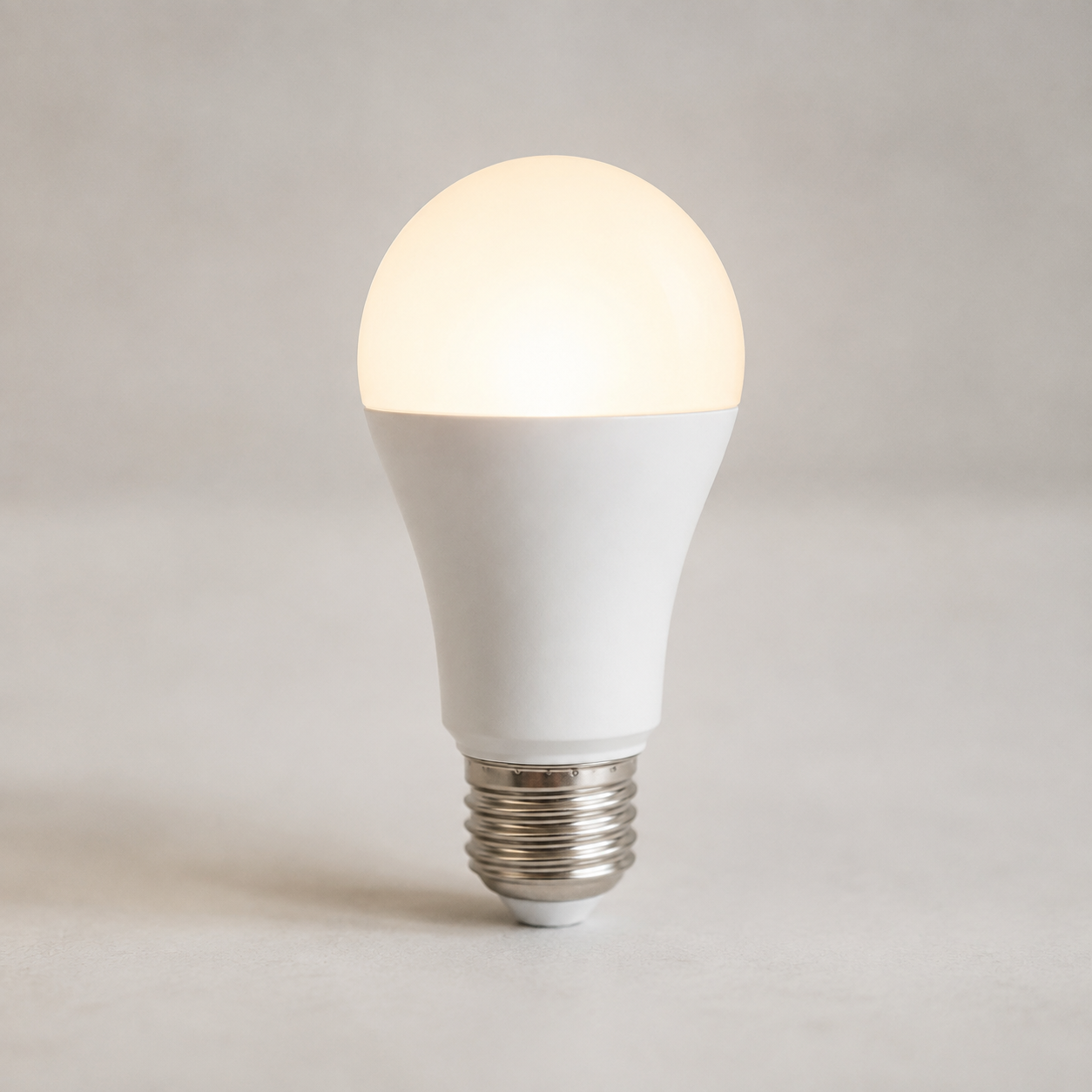
Smart LED bulbs turn an ordinary lamp socket into a controllable lighting point. They are commonly sold for bedrooms, rental homes, apartments, dormitories, hospitality projects, gift programs, and starter smart-home kits. Their appeal comes from remote control, scheduling, dimming, color-temperature adjustment, and, on some models, color scenes or voice-platform integration.
For buyers, a smart bulb should be specified as a lighting product and a connected device. The right base, voltage, brightness, control method, and packaging language matter just as much as the app screen. This guide explains how to build a realistic wholesale brief, review a sample, inspect production, and avoid vague compatibility claims. Related reading: smart home device wholesale guide and smart home hub wholesale guide.
Define the Product Range Before Comparing Prices
Start with the socket and market. E27, E14, B22, GU10, and regional formats are not interchangeable. Confirm mains voltage, lamp size, fixture clearance, and whether the product is intended for indoor, enclosed-fixture, or other specific conditions. A value retail model may focus on warm-to-cool white light and simple Wi-Fi setup. A premium model may add RGB scenes, group control, schedules, and an ecosystem-ready connection method.
Brightness should be described with lumens, not only a claimed equivalent wattage. Color temperature should be checked with actual samples at both ends of the stated range. For tunable and RGB products, view scenes in a typical room; saturated color, flicker, and dimming smoothness are noticeable in everyday use.
The U.S. Department of Energy notes that lighting performance information became more comparable through standardized testing and labeling efforts, helping discourage inflated product claims. Buyers can use the DOE's LED Lighting Facts background as a reminder to ask how brightness, power, and light characteristics were determined rather than relying on a generic carton statement.
Connectivity, App, and Interoperability
Confirm the connection type: Wi-Fi, Bluetooth, Zigbee through a hub, or another supported architecture. A Wi-Fi bulb may be convenient for a small home but can be a poor fit for a large multi-device project. A hub-based product may offer a clearer path for grouped control, but it must be tested with the exact hub and app being sold.
Test the onboarding steps from a newly installed bulb: reset method, pairing time, network conditions, dimming response, schedule reliability, offline behavior, sharing to another user, and firmware update process. The Connectivity Standards Alliance describes Matter as an IP-based approach to interoperability. Buyers should confirm the actual certified or supported functions for their selected product rather than treating a logo or protocol reference as a guarantee of every feature.
Factory Testing and Shipment Inspection
At factory level, test incoming LED and driver components according to the production plan, then verify power-on, brightness setting, color temperature, dimming, wireless pairing, reset, app commands, and any group-control feature. Review heat behavior after a practical burn-in period. Check the base threading, diffuser fit, housing finish, labels, QR code, manual, and retail packaging.
During shipment inspection, sample packed units from finished cartons. Verify correct base and voltage version, product color, language, barcode, plug or adapter if included, and carton quantity. Confirm that the manual explains installation preparation: switch off power before fitting, use a compatible fixture, and follow the stated reset steps. Clear instructions reduce avoidable setup inquiries.
Supplier Evaluation and RFQ Example
Ask a supplier to explain the LED, driver, firmware, app platform, available bases, voltage options, packaging controls, and repeat-order component policy. A useful supplier can distinguish what has been tested from what is merely possible to customize. Request working samples for the intended destination-market configuration.
RFQ example: "We need E27 smart LED bulbs for home-electronics retail. Please quote 800-lumen warm-to-cool white and RGBW models with Wi-Fi or hub-based options, English packaging, private-label logo, and app setup instructions. Confirm voltage version, base type, light-output test method, app onboarding, sample lead time, production lead time, and inspection process."
FAQ
What is the first choice a buyer should make?
Choose the destination-market socket, voltage, and product application first. These decisions narrow the correct product range before color scenes or packaging details are discussed.
Are Wi-Fi and hub-based smart bulbs interchangeable?
No. They offer different setup and network experiences. Test the intended product with the intended app, hub where applicable, and typical customer router conditions.
What should appear on smart-bulb packaging?
Use accurate information about base, voltage, brightness, color control, connection type, app requirement, included items, and safety instructions. Do not imply capabilities that the approved sample does not demonstrate.
Image Planning and AI Generation Prompts
Image 1 purpose: Product application image.
Insert position: After "Introduction".
Caption: "Smart lighting should be tested in a normal room, not only on a supplier's color chart."
ALT text: "Smart LED bulb installed in a modern table lamp for wholesale buyers"
AI image prompt: "Realistic interior product photograph of one smart LED bulb illuminated inside a modern bedside table lamp, warm natural room setting, full lamp and bulb context visible, no text, no logo, authentic photography."
Image 2 purpose: Quality-control image.
Insert position: After "Factory Testing and Shipment Inspection".
Caption: "Production checks compare brightness, color response, pairing, labeling, and packaging against the approved sample."
ALT text: "Asian quality inspector testing smart LED bulbs at a factory bench"
AI image prompt: "Realistic documentary photograph in a clean electronics lighting factory, Asian quality inspector testing smart LED bulbs in socket fixtures with a smartphone control app and light meter, natural industrial light, no text."
CTA and Inquiry Popup Plan
Mid-article CTA position: After "Factory Testing and Shipment Inspection".
CTA text: Ask for Product Catalog
End CTA position: After "Conclusion".
CTA text: Get a Quote
Popup trigger suggestion: 40% scroll, 30 seconds on page, or exit intent.
Popup title: "Plan Your Smart Lighting Range"
Popup copy: "Share your socket type, market voltage, lighting features, packaging request, and expected volume."
Suggested form fields: Name, Email, Phone, Company, Country/Region, Bulb Base, Quantity, Message.
Submit button text: Send Requirements
Conclusion
The best smart-bulb program starts with ordinary details: correct base, voltage, brightness, reliable setup, understandable packaging, and a controlled sample approval process. Once those fundamentals work, a buyer can select the right color and ecosystem features for the channel. ByteAero supports connected-home product sourcing and range planning. Contact us with your lighting requirements.