
Uneven supplier information
Catalogs used different feature names, accessories, test conditions, and package assumptions.
Decision point to controlA reference workflow for turning a broad product request into a controlled shortlist, comparable samples, approved SKUs, packaging references, inspection points, and shipment inputs.
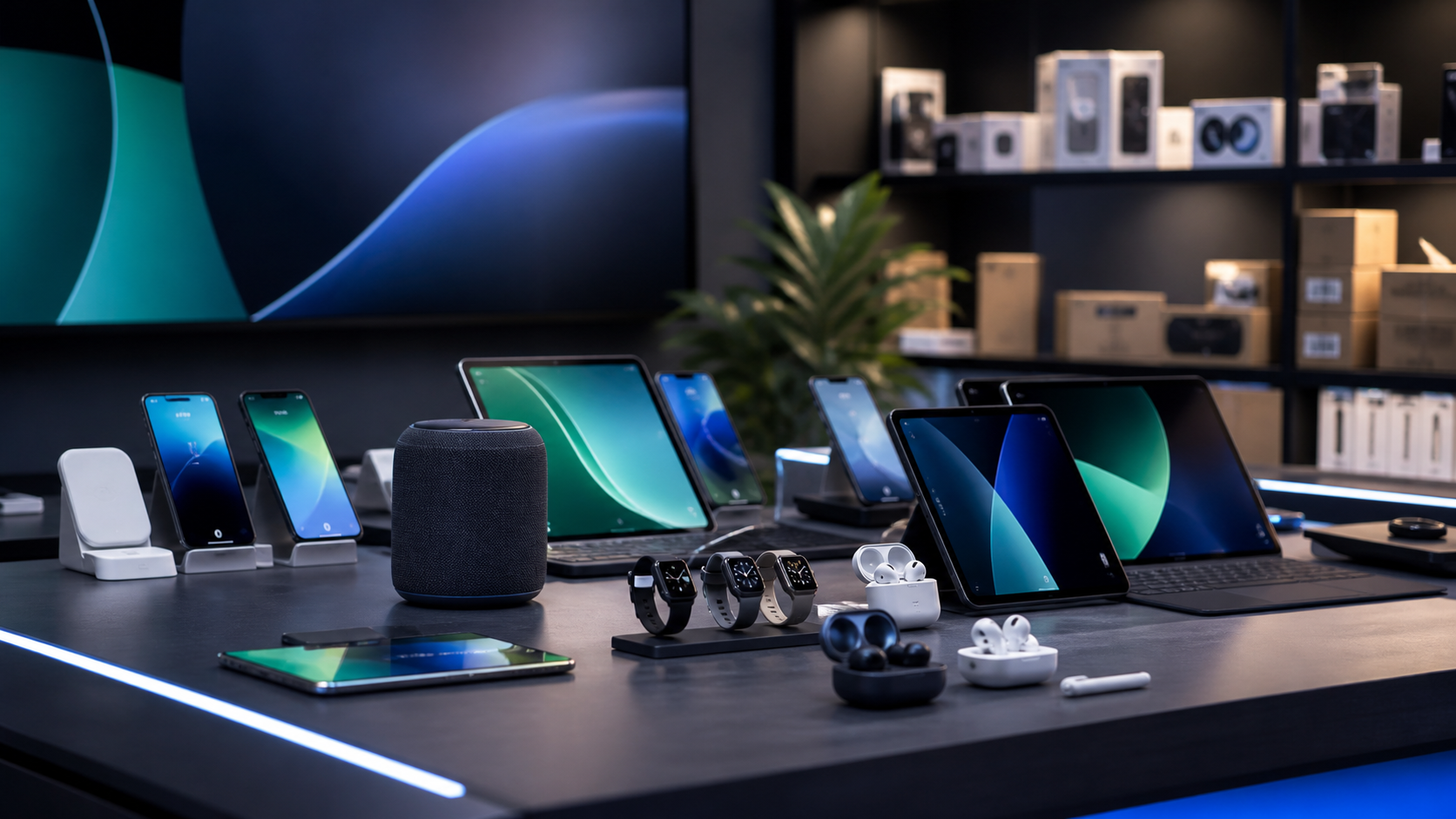
This is an anonymized process reference based on common B2B buyer requirements. It does not claim a named customer, order quantity, delivery date, or verified commercial result.
The starting brief covered charging, audio, mobile accessories, and smart products for retail and online channels. The central challenge was to reduce a broad category request into SKUs that could be compared on the same commercial and technical basis.
Each issue below can change product selection, quotation scope, approval, inspection, or shipment preparation.
Catalogs used different feature names, accessories, test conditions, and package assumptions.
Decision point to controlThe initial list was too broad to sample, compare, and launch responsibly.
Decision point to controlProducts depended on phones, chargers, cables, apps, networks, or operating systems.
Decision point to controlUnit quotations did not always include the same configuration, packaging, evidence, or commercial terms.
Decision point to controlPlug, language, label, radio, app, battery, and documentation questions varied by destination.
Decision point to controlCartons, battery status, inspection, and freight inputs needed to follow the final SKU rather than the early catalog.
Decision point to controlThe sequence keeps commercial decisions connected to product and document evidence.
Defined target user, channel, use case, required functions, destination, quantity range, packaging, price position, and timing.
Recorded configuration, accessories, claims, evidence, MOQ, lead time, sample status, and known limitations for each candidate.
Used consistent compatibility, function, appearance, packaging, and user-flow checks with a documented issue log.
Connected approved SKU, golden sample, artwork, checklist, cartons, documentation questions, and shipment data.
Required, preferred, and excluded conditions by product category.
Configuration, evidence, commercial scope, risks, and open questions.
Devices, conditions, results, photographs, limitations, and revision identity.
Product, firmware, accessories, labels, packaging, and claims.
Critical functions, workmanship, pack contents, quantity, labels, and cartons.
Battery status, carton dimensions, weights, marks, destination, and timing.

The buyer can compare candidates with the same configuration and commercial boundaries.
Compatibility, package contents, evidence, and regional questions stay visible before ordering.
Every selected item has a documented sample and packaging reference.
Inspection and logistics inputs follow the approved product rather than an early quotation.
Include the product, market, quantity range, current sample or order stage, timing, and unresolved questions.
ByteAero will review the request by email. Scope, available support, third-party work, evidence, cost, timing, and responsibilities are confirmed for each project.
Email: info@byteaero.com
Required fields are marked with *.
Every real project requires its own product facts, supplier evidence, contract, market review, timing, and buyer approval.
Start with target user, channel, use case, required functions, destination, price position, quantity, packaging, and timing. Remove products that cannot meet required conditions.
Order samples after the configuration and evaluation questions are defined. Otherwise the buyer may receive products that cannot be compared fairly.
Compare the same product configuration, accessories, packaging, evidence, MOQ, lead time, payment, warranty, inspection, Incoterm, and exclusions.
Freeze product configuration, critical components where applicable, firmware, accessories, labels, artwork, packaging, claims, golden sample, inspection plan, and approved deviations.