
Quick Article Directory
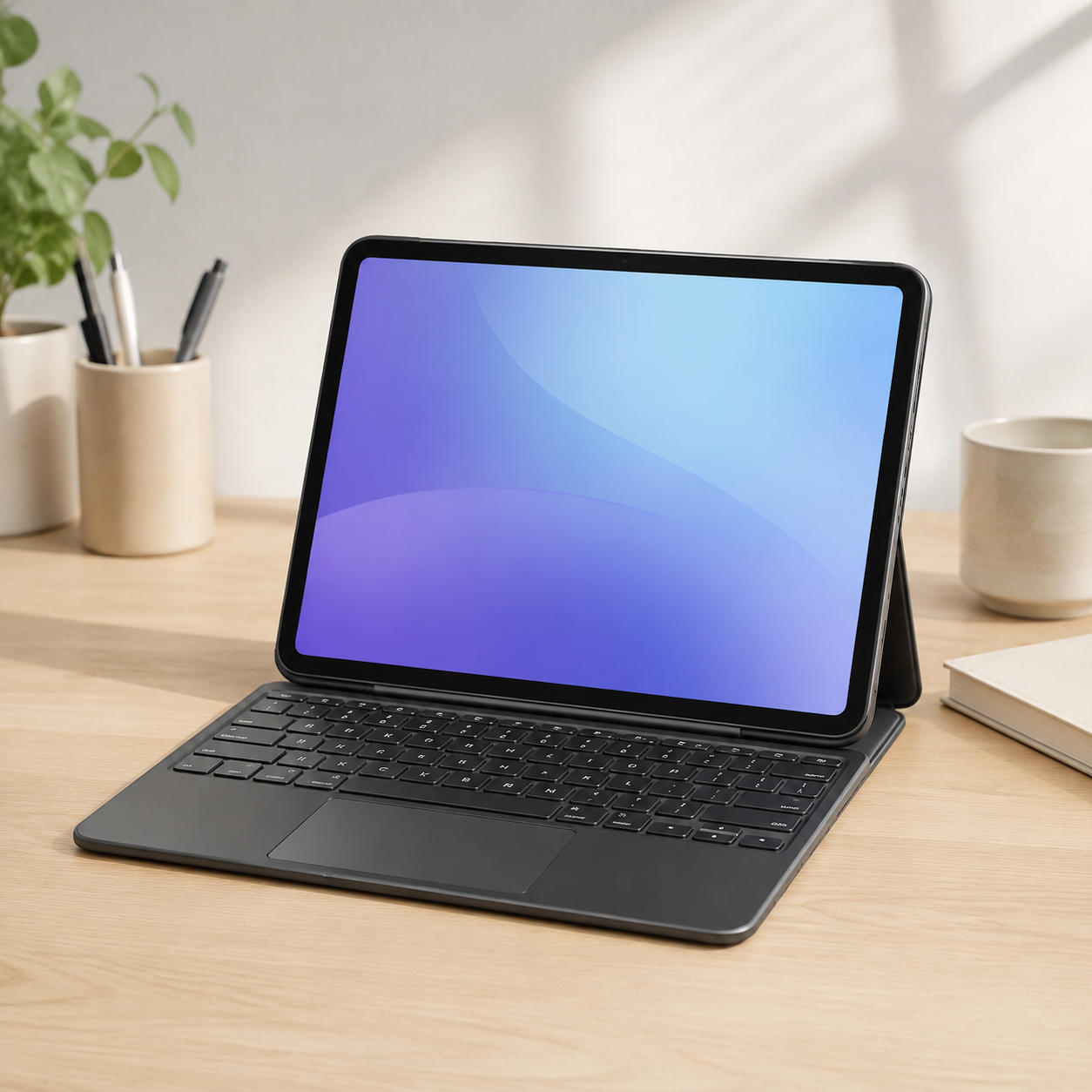
Tablet Keyboard Case Wholesale Guide for Education and Retail Buyers
Topic Research and Search Intent
Blog title: Tablet Keyboard Case Wholesale Guide for Education and Retail Buyers
Target keyword: tablet keyboard case wholesale guide
Search intent: Buyers want to compare tablet keyboard cases, confirm model compatibility, test keyboard feel and Bluetooth behavior, and prepare private-label or retail packaging requirements.
Why this topic fits a B2B export website: Tablet keyboard cases are used in education, office, travel, and retail accessory channels. Buyers search with strong procurement intent because compatibility mistakes can cause high returns.
Introduction
Tablet keyboard cases turn tablets into lightweight productivity devices. They are popular for students, office users, travelers, field staff, and retail customers who want typing comfort without carrying a laptop. For wholesale buyers, the category offers good bundle value but requires careful compatibility control.
The most common risk is model mismatch. A case designed for one tablet generation may not fit camera position, button location, speaker openings, charging port, or magnetic attachment on another model. Keyboard language layout, Bluetooth stability, battery life, hinge strength, and protective material also affect customer experience.
This guide explains how B2B buyers can source tablet keyboard cases with fewer mistakes. It covers application planning, compatibility, keyboard testing, factory inspection, packaging, RFQ preparation, image planning, and CTA design. Buyers can also read ByteAero's tablet wholesale procurement guide.
For Bluetooth keyboard versions, buyers can review the Bluetooth SIG's technology overview to keep wireless claims accurate.
Define the Target Tablet Models
Before requesting prices, buyers should list exact tablet models, screen sizes, generation numbers, and market names. A vague request such as "keyboard case for 10-inch tablet" is not enough. Suppliers need camera layout, button position, and dimensions.
Key Specifications to Confirm
Case Fit and Cutouts
Check camera cutout, speaker holes, charging port, volume buttons, power button, and pen holder if included. Fit should be snug but not too tight.
Keyboard Layout and Typing Feel
Confirm language layout, key spacing, key travel, shortcut keys, backlight if included, and trackpad behavior if applicable. Education buyers may need durable keys; office buyers may need quiet typing.
Bluetooth and Battery
Test pairing, reconnection, sleep/wake behavior, charging time, and battery life. If the keyboard has a built-in battery, check shipment requirements with logistics providers.
Hinge and Stand Stability
Hinge stability affects real use. Test typing on a desk, lap, and classroom table. A weak stand can make the product feel cheap.
Factory Testing and Shipment Inspection
Testing should include fit check with real tablets, keyboard function, Bluetooth pairing, charging, battery sample test, hinge movement, magnet alignment if included, surface finish, packaging, barcode, and carton inspection. Shipment inspection should verify exact model labels because mixed compatibility is a common problem.
Supplier Evaluation and RFQ Example
Evaluate suppliers by model database accuracy, tooling control, keyboard layout support, packaging capability, and after-sales process.
RFQ example: "We need tablet keyboard cases for education retail. Please quote models for specified tablet generations, US and UK keyboard layouts, black and gray colors, Bluetooth keyboard, protective case, private-label packaging, sample lead time, production lead time, and inspection process."
FAQ
Why is exact tablet model important?
Small differences in camera, buttons, speaker holes, and size can make a case incompatible. Exact model information prevents returns.
Should buyers choose trackpad keyboard cases?
Trackpads can improve productivity but increase cost and testing needs. Choose based on target channel and price positioning.
What should be inspected before shipment?
Inspect fit, keyboard function, Bluetooth, charging, battery, hinge, cutouts, packaging labels, and carton marks.
Image Planning and AI Generation Prompts
Image 1 purpose: Product application photo.
Insert position: After "Introduction".
Caption: "Application testing should confirm fit, typing comfort, stand angle, and Bluetooth behavior."
ALT text: "Tablet keyboard case application testing for wholesale buyers"
AI image prompt: "Realistic product photography of one tablet in a keyboard case on a clean classroom or office desk, full product visible, natural light, no text, no logo."
Image 2 purpose: Factory inspection photo.
Insert position: After "Factory Testing and Shipment Inspection".
Caption: "Factory inspection should verify exact tablet model fit and keyboard function before shipment."
ALT text: "Tablet keyboard case factory inspection"
AI image prompt: "Realistic electronics factory scene, Asian technician testing tablet keyboard cases with tablets, organized bench, packaging boxes nearby, documentary B2B style."
CTA and Inquiry Popup Plan
Mid-article CTA position: After "Factory Testing and Shipment Inspection".
CTA text: Send Your Requirements
End CTA position: After "Conclusion".
CTA text: Get a Quote
Popup trigger suggestion: 40% scroll, 30 seconds, exit intent.
Popup title: "Source Tablet Keyboard Cases Wholesale"
Popup copy: "Send exact tablet models, keyboard layout, packaging needs, and order quantity."
Suggested form fields: Name, Email, Phone, Company, Country/Region, Tablet Model, Keyboard Layout, Quantity, Message.
Submit button text: Send Requirements
Conclusion
Tablet keyboard case sourcing depends on exact compatibility, keyboard quality, Bluetooth stability, hinge design, packaging labels, and shipment inspection. ByteAero helps buyers prepare model-specific sourcing plans for tablet accessory channels.