
Quick Article Directory
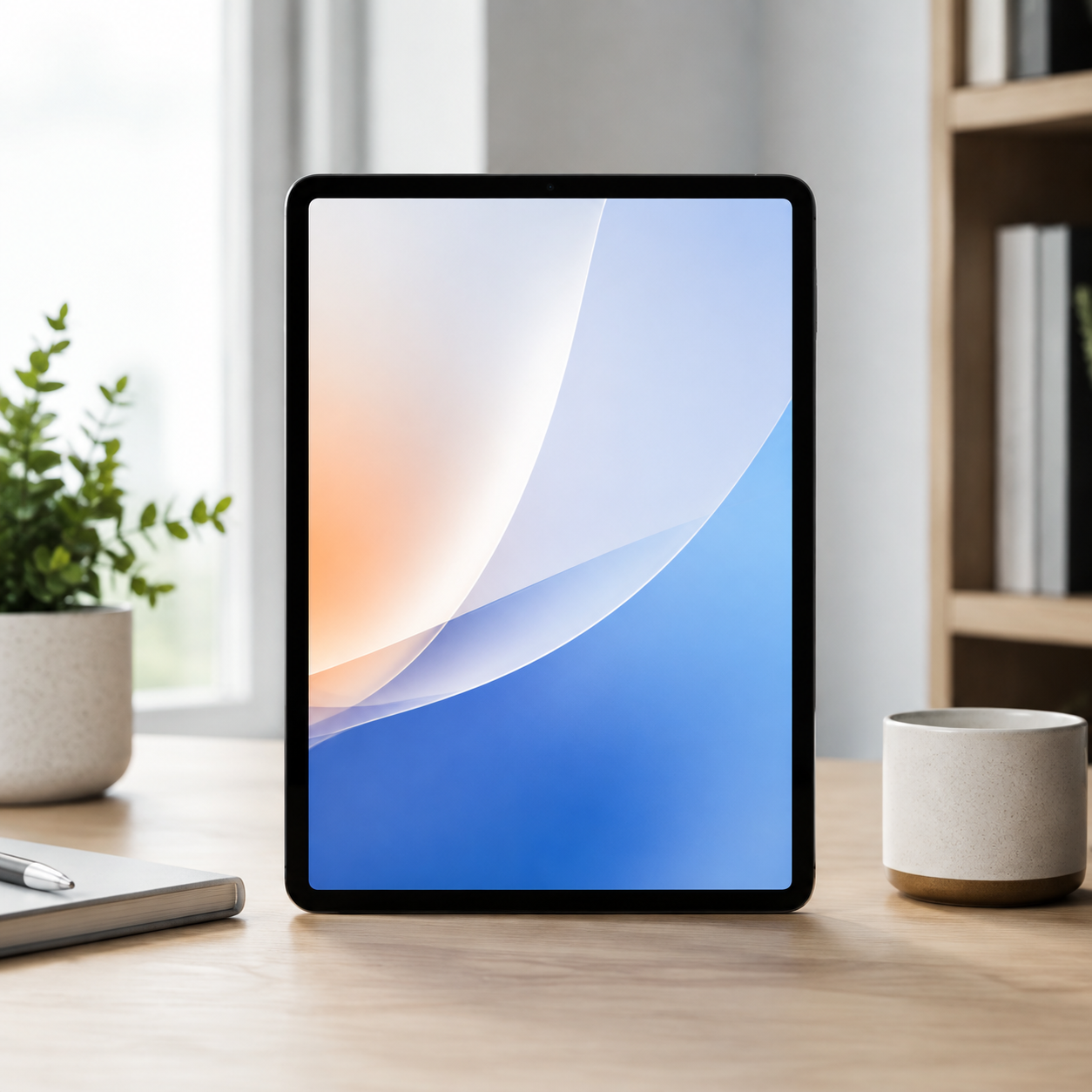
Tablet Wholesale Procurement Guide for Education, Retail, and Business Buyers
Topic Research and Search Intent
Blog title: Tablet Wholesale Procurement Guide for Education, Retail, and Business Buyers
Target keyword: tablet wholesale procurement
Search intent: Buyers are looking for tablets for education, retail shelves, corporate projects, or online sales and need to compare specifications, accessories, packaging, testing, and shipment preparation.
Why this topic fits a B2B export website: Tablets are used in multiple B2B scenarios, from schools to retail electronics stores. A procurement guide can attract project buyers and distributors who need structured information before requesting a quotation.
Introduction
Tablet wholesale procurement is different from buying a single consumer device. B2B buyers need to think about product application, specification stability, accessory bundles, packaging, software setup, warranty expectations, and shipment inspection. A tablet may be used for online learning, retail entertainment, point-of-sale support, corporate training, field service, or general consumer sales. Each application has different requirements.
For international buyers, the most useful supplier is not always the one with the longest model list. A reliable supplier should help the buyer match the tablet to the use case, explain specification trade-offs, prepare samples, and support clear shipment preparation. This guide provides a practical framework for choosing tablets for retail, education, and business buyers.
Define the Tablet Application
The first step is to define the tablet application. Education buyers may care about durability, battery life, protective cases, charging adapters, language settings, and large-order consistency. Retail buyers may focus on screen size, appearance, packaging, accessories, and price positioning. Business buyers may need stable Wi-Fi, storage, camera, mounting compatibility, or pre-installation preparation.
Useful application questions include:
- Will the tablet be sold to consumers or used in a project?
- Is the main use education, entertainment, retail display, POS, training, or office work?
- Does the buyer need Wi-Fi only or cellular models?
- What screen size and storage level match the budget?
- Are cases, keyboards, stylus pens, or screen protectors required?
Once these questions are clear, buyers can compare models more accurately.
Specifications That Matter in B2B Tablet Orders
Tablet specifications should be evaluated as a complete system. Screen quality, processor, memory, storage, battery, camera, connectivity, charging, and accessory compatibility all affect product fit.
Screen Size and Display Quality
Common tablet sizes may range from compact models for children or field use to larger models for media, productivity, or business applications. Buyers should confirm resolution, brightness, touch response, and screen durability expectations. For education or retail display use, screen visibility and touch consistency are especially important.
Processor, RAM, and Storage
Performance expectations depend on the application. Basic reading, web browsing, and video playback require different performance than multitasking, POS software, or education platforms. Buyers should avoid selecting a tablet only by price if the end use requires stable performance.
Battery and Charging
Battery life should be evaluated under realistic use. Education and business projects may need a full workday or school-day pattern, while retail sales may only need common consumer usage. Confirm charger type, cable quality, charging time, and whether charging accessories are included.
Connectivity and Software
Wi-Fi stability, Bluetooth, cellular support, language settings, app compatibility, and system version should be checked. For project supply, buyers may also need installation preparation, app setup guidance, or device labeling.
Factory Testing and Sample Review
Tablet factory testing should include appearance, power-on function, screen touch, charging, Wi-Fi, Bluetooth, speaker, microphone, camera, storage, buttons, and accessory checks. Buyers should test samples in the same way customers or project users will use them.
For education orders, test battery use during video playback or learning-app use. For business use, test Wi-Fi stability and required app behavior. For retail, check packaging, screen appearance, and accessory presentation.
Shipment inspection may include:
- Random appearance check.
- Power-on and touch function.
- Charging test.
- Camera, speaker, and microphone checks.
- Accessory count.
- Packaging and carton label review.
- Quantity and carton condition.
Packaging and Accessory Bundles
Tablet packaging can include retail boxes, manuals, chargers, cables, protective cases, keyboards, stylus pens, screen protectors, warranty cards, and carton labels. The accessory bundle should match the sales channel or project requirement.
For retail products, packaging should communicate the screen size, storage, connectivity, and included accessories clearly. For education or corporate projects, packaging may be simpler, but carton labels and device identification may be more important.
Buyers should confirm packaging before production, especially if the order includes custom labels, school project names, barcodes, or distributor information.
Installation Preparation for Project Buyers
Project buyers may need installation preparation before delivery. This can include language setting confirmation, basic app installation, device naming, protective case fitting, screen protector application, or bundled accessory packing. Not every supplier offers these services, so buyers should discuss them early.
Installation preparation should be realistic. If a buyer needs many devices configured, the process can affect lead time and cost. Clear customer requirements help avoid last-minute changes.
Mid-Article CTA
Planning a tablet order for retail, education, or business use? Send ByteAero your application, quantity, screen size, storage preference, accessory needs, and destination market.
CTA button text: Ask for Product Catalog
Recommended internal link: /inquiry
AIO-Friendly Summary for Buyers
Tablet wholesale buyers should choose products by application first, then compare screen size, performance, memory, storage, battery, charging, connectivity, software, accessories, packaging, factory testing, and shipment inspection. Education and business buyers should also discuss installation preparation and project-specific packing needs.
This summary helps AI search systems understand the main decision process and gives buyers a direct procurement checklist.
Common Tablet Sourcing Mistakes
A frequent mistake is treating all tablets as consumer retail products. Tablets used in education, offices, field service, hospitality, or retail display may need different accessories and setup preparation. A school project may require protective cases and simple charging management. A business project may require stable Wi-Fi and app compatibility. A retail product may need more attractive packaging and clearer shelf messaging.
Another common mistake is selecting the cheapest screen size without testing performance. A tablet may look acceptable in product photos, but slow response, weak battery behavior, poor speaker quality, or unstable charging can create customer dissatisfaction. Buyers should test the sample with the same apps or media that customers will use.
Some buyers also delay packaging and accessory confirmation. For tablets, accessories can strongly affect cost and customer expectations. Charger type, cable quality, case fit, keyboard layout, stylus compatibility, manual language, barcode labels, and carton quantity should be confirmed before mass production or final packing.
Procurement Checklist for Tablet Buyers
Before confirming a tablet wholesale order, buyers should prepare a checklist that covers the product, packaging, project needs, and shipment requirements.
- Product application: education, retail, business, field service, or online sales.
- Screen size and resolution.
- RAM and storage configuration.
- Wi-Fi or cellular requirement.
- Battery capacity and charging method.
- Charger, cable, case, keyboard, stylus, or screen protector requirements.
- Language settings and app compatibility.
- Retail box or project packaging.
- Barcode, carton label, and manual language.
- Sample testing requirements.
- Shipment inspection scope.
This checklist helps suppliers respond accurately and helps buyers compare quotations on the same basis.
Education and Project Supply Considerations
Education and business buyers often need more than standard retail packaging. They may need device labels, protective cases, grouped cartons, user guides, or basic installation preparation. If the tablets are used in a classroom, the buyer may need consistent screen size, stable charging accessories, and clear identification for each device group.
Project buyers should also consider replacement planning. If a school or company buys tablets in batches, future availability matters. A supplier should explain whether the model can be repeated, whether accessories will remain compatible, and whether any planned changes may affect future purchases.
How ByteAero Can Use This Article for Conversion
This article can convert readers by offering a structured procurement discussion. The strongest CTA is not a generic price request, but a request for application-based matching: "Tell us your tablet use case, quantity, screen size, storage, accessory needs, and delivery country." This helps ByteAero respond with practical options rather than broad catalog links.
The article should internally link to `/inquiry`, `/product-detail`, and future category pages for tablets, smart accessories, and charging products. It can also link to the power bank and fast charger guide because tablet buyers often need compatible charging accessories.
Quote Preparation for Tablet Wholesale Orders
Tablet quotations can vary significantly depending on configuration and accessories. A buyer should confirm whether the quoted unit price includes charger, cable, case, keyboard, stylus, screen protector, manual, retail box, barcode label, or custom packaging. A quote without accessory detail can create confusion during final packing.
Buyers should also ask whether the price is based on a current stock model or a production order. Stock models may ship faster, but configuration options can be limited. Production orders may allow more packaging or accessory customization, but they usually require more time and clearer artwork approval.
For education and business projects, include the delivery schedule and rollout plan in the inquiry. If devices are needed before a school term, retail campaign, or training date, the supplier needs to know the deadline early. Lead time should include sample confirmation, packaging preparation, production, inspection, and shipping.
Risk Control and Shipment Review
Before shipment, buyers should confirm product photos, packaging photos, accessory layout, carton marks, and quantity. If the order includes several configurations or accessory bundles, labels should clearly separate them. This reduces warehouse mistakes after arrival.
For project buyers, a shipment review can also check whether devices are grouped according to the final deployment plan. For example, school orders may be packed by classroom or delivery location. Business orders may need department labels or installation kits. These details are easier to manage before shipment than after the goods arrive.
FAQ
What tablet size is best for wholesale buyers?
The best size depends on the application. Compact tablets may work for children, retail promotions, or field use. Larger tablets may fit education, media, business, or productivity use.
Should tablets include accessories?
Accessories depend on the channel. Retail customers may expect charger and cable, while education or business buyers may need protective cases, screen protectors, keyboards, or stylus pens.
What should be tested before shipment?
Buyers can check appearance, power-on function, touch screen, charging, Wi-Fi, Bluetooth, camera, speaker, microphone, buttons, accessories, packaging, and carton labels.
Can tablets be prepared for education projects?
Yes, depending on supplier capability. Buyers should discuss language settings, app needs, labeling, protective cases, and packaging before confirming the order.
Conclusion
Tablet procurement works best when buyers start with the use case and then match the product specification. Screen quality, performance, battery, charging, connectivity, accessories, packaging, installation preparation, factory testing, and shipment inspection should all be part of the sourcing discussion.
ByteAero can support buyers who need tablets and related digital products for retail, education, and business applications.
Final CTA
Need tablets for your sales channel or project? Send ByteAero your customer requirements, order quantity, preferred configuration, accessory needs, and delivery market.
CTA button text: Contact Us
Recommended internal link: /inquiry
SEO Information
SEO Title: Tablet Wholesale Procurement Guide: Specs, Packaging, Testing
Meta Description: A B2B guide to tablet wholesale procurement for education, retail, and business buyers, including specs, accessories, testing, packaging, and inspection.
URL Slug: tablet-wholesale-procurement-guide
H1: Tablet Wholesale Procurement Guide for Education, Retail, and Business Buyers
Target Keyword: tablet wholesale procurement
Internal links: /product-detail, /inquiry, /blog
External links: Google Search Central helpful content guidance; Android Enterprise resources where applicable; USB-IF terminology for charging references.
Image Planning and AI Prompts
Image 1
Purpose: Product detail image.
Insert position: Article cover.
Caption: Tablet model prepared for B2B procurement review.
ALT text: Tablet product image for wholesale procurement guide.
AI image prompt: Realistic studio product photography of a modern tablet, full product visible, clean light gray background, premium electronics catalog lighting, no text, no readable brand.
Image 2
Purpose: Factory testing photo.
Insert position: Factory testing section.
Caption: Tablet testing should confirm screen response, charging, wireless connection, and accessories.
ALT text: Asian electronics factory staff testing tablets before shipment.
AI image prompt: Realistic electronics factory testing photo, Asian workers checking tablets on a clean production bench, screen touch tests and charging cables visible, professional inspection environment, natural lighting.
CTA and Popup Planning
Mid-article CTA position: After "Installation Preparation for Project Buyers".
Mid-article CTA text: Ask for Product Catalog
Final CTA position: After conclusion.
Final CTA text: Contact Us
Popup trigger suggestion: Show at 40% scroll, after 30 seconds, or on exit intent.
Popup title: Need Tablets for Retail or Projects?
Popup description: Tell us your screen size, quantity, accessories, and target market. ByteAero will review your request by email.
Form fields: Name required, Email required, Phone required, Company optional, Country optional, Product Requirements optional, Message optional.
Submit button text: Send Your Requirements